
Living with chronic pain can make even simple daily activities difficult. While many pain conditions improve with medications, physiotherapy, or lifestyle changes, some types of pain continue despite conventional treatment. In such cases, Sympathetic Blocks may be considered as part of an interventional pain management plan.
A sympathetic block is a minimally invasive procedure that targets specific nerves within the sympathetic nervous system. It is commonly recommended for certain chronic pain conditions where these nerves contribute to ongoing pain. Understanding how the procedure works and who may benefit from it can help patients make informed decisions about their treatment.
What Are Sympathetic Blocks?
The sympathetic nervous system is responsible for regulating several automatic body functions, including blood flow, sweating, and temperature control. In some chronic pain conditions, these nerves continue sending abnormal pain signals even after the original injury has healed.
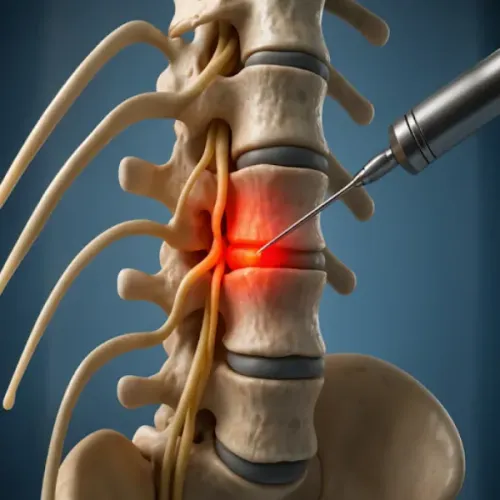
A sympathetic block involves injecting a local anaesthetic, sometimes combined with other medications, around a group of sympathetic nerves. The goal is to interrupt these pain signals and determine whether the sympathetic nervous system is contributing to the patient's symptoms.
Depending on the location of the pain, different types of sympathetic blocks may be performed under imaging guidance to improve precision and safety.
Which Conditions May Benefit from Sympathetic Blocks?
Sympathetic blocks are not suitable for every type of pain. They are usually considered after a detailed medical evaluation.
Conditions where they may be recommended include:
- Complex Regional Pain Syndrome (CRPS)
- Post Herpetic Neuralgia
- Peripheral vascular pain
- Certain nerve-related pain conditions
- Persistent limb pain following injury
- Pain associated with abnormal sympathetic nerve activity
The decision to perform the procedure depends on the patient's symptoms, diagnosis, and response to previous treatments.
How Is the Procedure Performed?
Sympathetic blocks are generally performed as a day-care procedure.
The typical steps include:
- The patient is positioned comfortably.
- The skin is cleaned and prepared.
- Imaging guidance, such as fluoroscopy or ultrasound, is used to identify the target nerves.
- A fine needle is carefully inserted.
- The medication is injected around the sympathetic nerve group.
- The patient is observed for a short period before discharge.
The entire procedure usually takes less than an hour, although the exact duration may vary depending on the area being treated.
What Are the Possible Benefits?
When appropriately indicated, sympathetic blocks may provide several benefits.
These may include:
- Reduction in chronic pain
- Improved blood circulation in the affected limb
- Better mobility
- Reduced sensitivity to touch
- Improved participation in physiotherapy
- Enhanced quality of life
The duration of pain relief varies from person to person. Some individuals experience temporary relief that helps confirm the diagnosis, while others may benefit for a longer period as part of a broader treatment plan.
Are Sympathetic Blocks Safe?
Like any medical procedure, sympathetic blocks have potential risks, but they are generally considered safe when performed by trained specialists using imaging guidance.
Possible temporary side effects may include:
- Mild soreness at the injection site
- Temporary numbness
- Warmth in the treated area
- Temporary weakness in the affected limb
Your doctor will discuss the potential benefits and risks before recommending the procedure.
When Should You Discuss This Treatment with a Specialist?
A sympathetic block may be considered if:
- Chronic nerve pain has not improved with conservative treatment.
- Pain continues after an injury or surgery.
- Complex Regional Pain Syndrome has been diagnosed or suspected.
- Severe burning pain affects daily activities.
- Other treatment options have provided limited relief.
A detailed assessment helps determine whether the procedure is appropriate for your specific condition.
What Happens After the Procedure?
Following a sympathetic block, patients are usually advised to monitor their symptoms and gradually return to normal activities as recommended by their doctor.
Follow-up appointments help assess:
- The amount of pain relief achieved
- Improvement in movement and daily function
- Whether additional treatment is required
- The role of physiotherapy or rehabilitation in ongoing recovery
Sympathetic blocks are often one component of a comprehensive pain management strategy rather than a standalone solution.
Comprehensive Evaluation Is the First Step
Not every chronic pain condition requires an interventional procedure. Identifying the exact cause of pain is essential before deciding on the most appropriate treatment approach.
For individuals in Kalyan, persistent nerve-related pain that limits mobility or affects daily life may benefit from evaluation by an interventional pain specialist. Spine and Pain Management Centre offers comprehensive assessment and evidence-based pain management, including image-guided procedures such as sympathetic blocks when clinically appropriate, with treatment plans tailored to each patient's individual condition and recovery goals.
Keywords