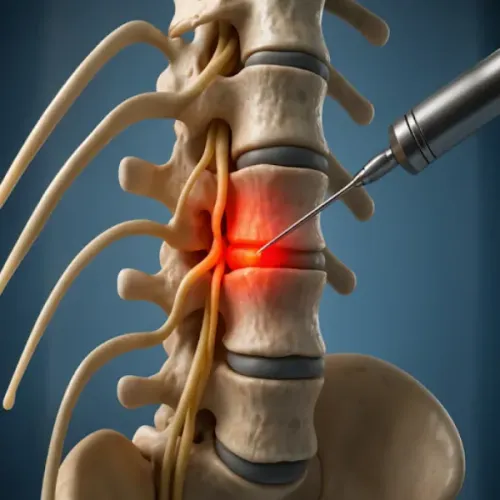

Occasional stiffness after sleeping awkwardly is different from neck pain that repeatedly interrupts work, sleep, driving, or normal movement. Modern routines involving laptops, mobile phones, prolonged sitting, and limited physical activity can place considerable strain on the cervical region, but posture is only one possible contributor.
For people living or working in Dombivli, Maharashtra, recognising how neck symptoms behave can make it easier to respond before discomfort becomes a persistent limitation.
Why Neck Pain Can Develop
The neck contains vertebrae, discs, joints, muscles, ligaments, and nerves working together to support the head while allowing movement. Pain can arise when one or more of these structures become irritated.
Possible contributors include:
- Prolonged static posture
- Muscle strain
- Age-related spinal changes
- Disc-related problems
- Joint irritation
- Previous injury
- Repetitive work
- Reduced physical conditioning
- Nerve irritation
Because several structures can produce similar symptoms, assuming every episode is simply a muscle problem can be misleading.
What Your Neck Pain Pattern Can Reveal
Pay attention to what makes the discomfort better or worse.
Pain mainly appearing after prolonged computer work may suggest a mechanical component. Symptoms that travel from the neck into the shoulder, arm, or hand may require assessment for possible nerve involvement.
Other useful observations include:
- Morning stiffness
- Difficulty turning the head
- Pain while looking upward or downward
- Tingling in the arm or fingers
- Numbness
- Headache associated with neck movement
- Weakness in the hand or arm
- Pain disturbing sleep
These details help create a clearer clinical picture.
How Daily Habits Influence Neck Pain
Ergonomics can influence symptoms, particularly among people who spend much of the day seated.
A computer screen positioned too low encourages repeated forward bending. Holding a mobile phone below eye level for long periods can have a similar effect. Working without breaks may also leave muscles under sustained load.
Simple adjustments can help reduce unnecessary strain. Positioning the screen comfortably, supporting the lower back, changing position regularly, and taking brief movement breaks are practical measures.
However, ergonomic changes should not be treated as a substitute for evaluation when neurological symptoms or persistent pain are present.
When Neck Pain Needs More Than Rest
Short-lived muscular discomfort may improve with activity modification and appropriate conservative care. Persistent or worsening symptoms require a more individual approach.
Clinical evaluation becomes particularly relevant when neck pain is associated with:
- Numbness or tingling
- Progressive weakness
- Significant trauma
- Problems with balance
- Persistent arm pain
- Loss of hand coordination
- Symptoms that fail to improve
The purpose of assessment is not automatically to recommend a procedure. It is to understand which structures may be involved and determine an appropriate treatment pathway.
Building a Better Long-Term Approach
A useful neck pain plan may include activity modification, exercise, rehabilitation, medication when appropriate, and targeted interventions for selected conditions. The exact approach depends on the diagnosis and severity of symptoms.
Spine and Pain Management Centre evaluates spine and pain conditions with attention to the source and behaviour of symptoms rather than relying on a single treatment for every patient.
For individuals in Dombivli, Maharashtra, recurring neck discomfort should be viewed in context. Understanding when the pain appears, where it travels, and whether neurological symptoms are developing provides a much stronger basis for treatment than repeatedly waiting for another painful episode to settle.
Keywords