Most people expect the discomfort caused by shingles to disappear once the skin rash heals. However, for some individuals, the pain continues for months or even years after the blisters have resolved. This condition is known as Post Herpes Zoster Pain, also called Postherpetic Neuralgia (PHN). It develops because the shingles virus can damage the nerves, causing them to continue sending pain signals long after the infection has cleared.
Persistent nerve pain can interfere with sleep, work, and everyday activities. Understanding why it occurs and how it can be managed is the first step towards improving quality of life.
What Is Post Herpes Zoster Pain?
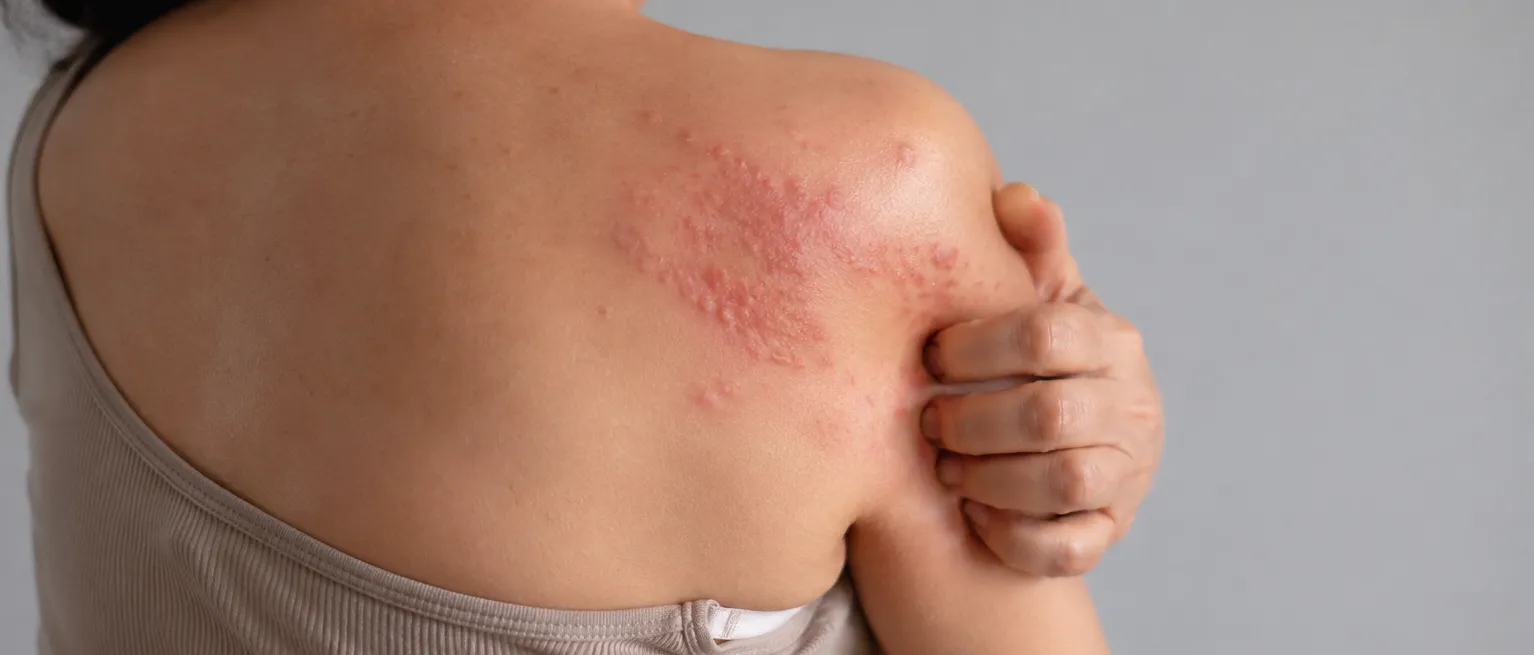
Post Herpes Zoster Pain is a chronic nerve pain condition that develops after an episode of shingles, which is caused by the reactivation of the varicella-zoster virus—the same virus responsible for chickenpox.
Normally, the rash heals within a few weeks. However, if nerve damage occurs during the infection, pain may persist for more than three months after the rash has disappeared.
The condition is more common in older adults and in people who experienced severe shingles.
Common Symptoms
The pain can vary in intensity and may feel very different from ordinary muscle or joint pain.
Common symptoms include:
- Burning pain
- Sharp or stabbing sensations
- Electric shock-like pain
- Extreme sensitivity to touch
- Pain caused by clothing brushing against the skin
- Persistent itching
- Tingling or numbness
- Sleep disturbances due to pain
The affected area usually follows the same pattern as the original shingles rash.
Who Is More Likely to Develop It?
Although anyone with shingles can develop Post Herpes Zoster Pain, certain factors increase the risk.
These include:
- Age above 50 years
- Severe shingles rash
- Intense pain during the initial infection
- Delayed treatment for shingles
- Reduced immunity
- Chronic medical conditions affecting immune function
Early treatment of shingles may reduce the likelihood of long-term nerve pain in some individuals.
How Is It Diagnosed?
Diagnosis is usually based on:
- A previous history of shingles
- Persistent pain in the same area where the rash occurred
- Clinical examination
- Assessment of nerve sensitivity
Additional investigations are not always necessary but may be recommended if other nerve conditions need to be excluded.
Treatment Options
The goal of treatment is to reduce pain, improve comfort, and help patients return to normal daily activities.
Management may include:
- Medications specifically prescribed for nerve pain
- Topical pain-relieving treatments in selected patients
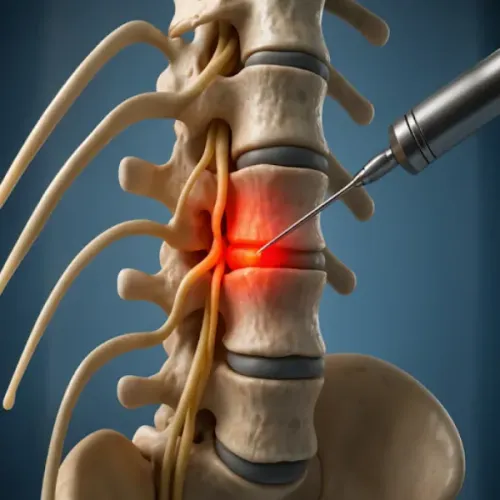
- Image-guided nerve blocks
- Interventional pain management procedures
- Physiotherapy where movement has been affected
- Lifestyle guidance to improve sleep and overall well-being
Treatment is individualised according to symptom severity and response to therapy.
Can the Pain Improve Over Time?
Many patients experience gradual improvement, although recovery varies from person to person. Some recover within months, while others require longer-term pain management.
Supporting recovery may involve:
- Taking medications exactly as prescribed.
- Protecting sensitive skin from irritation.
- Maintaining regular physical activity within comfortable limits.
- Following up regularly with your healthcare provider.
- Managing stress and maintaining healthy sleep habits.
Consistent treatment often helps improve daily function and overall quality of life.
When Should You Seek Medical Attention?
You should consult a healthcare professional if:
- Pain continues after the shingles rash has healed.
- The discomfort interferes with sleep or daily activities.
- The skin becomes extremely sensitive to touch.
- Pain persists despite routine pain medications.
- Burning or stabbing sensations continue for several weeks.
Early assessment can help prevent chronic pain from becoming more difficult to manage.
Managing Post Herpes Zoster Pain Effectively
Persistent pain after shingles is not something that should simply be accepted as part of recovery. Proper evaluation can help identify the extent of nerve involvement and determine the most suitable treatment approach.
For residents of Dombivli, ongoing pain following shingles deserves specialised medical attention. Spine and Pain Management Centre provides comprehensive evaluation and evidence-based treatment for chronic nerve pain conditions, helping patients manage persistent symptoms and improve their day-to-day quality of life through personalised care plans.
Keywords