
Knee pain is one of the most common joint problems among adults, particularly as they grow older. While occasional discomfort after physical activity is normal, persistent pain, stiffness, and difficulty walking may indicate Osteoarthritis Knee Pain. This condition develops gradually as the protective cartilage within the knee joint wears down, making everyday movements increasingly uncomfortable.
Many people believe knee pain is an unavoidable part of ageing and delay seeking medical advice. However, early diagnosis and appropriate treatment can help reduce pain, improve mobility, and support an active lifestyle without immediately considering surgery.
What Is Osteoarthritis of the Knee?
Osteoarthritis is a degenerative joint condition in which the smooth cartilage covering the ends of the bones gradually breaks down. As the cartilage becomes thinner, the bones begin to rub against each other, leading to pain, swelling, stiffness, and reduced joint function.
Although it is more common in older adults, osteoarthritis can also affect younger individuals following knee injuries, obesity, repetitive strain, or certain medical conditions.
The condition usually progresses slowly, making early recognition important for effective management.
Common Symptoms
The symptoms often begin mildly before becoming more noticeable over time.
Common signs include:
- Pain while walking or climbing stairs
- Morning stiffness lasting for a short period
- Swelling around the knee
- Clicking or grinding sounds during movement
- Difficulty bending or straightening the knee
- Reduced walking distance
- Pain after prolonged sitting
Some individuals also notice that the knee feels unstable or weak during daily activities.
Who Is More Likely to Develop Knee Osteoarthritis?
Several factors increase the likelihood of developing osteoarthritis.
These include:
- Increasing age
- Excess body weight
- Previous knee injuries
- Family history of osteoarthritis
- Repetitive stress on the knee from work or sports
- Weak muscles around the knee
- Poor joint alignment
Having one or more of these risk factors does not necessarily mean osteoarthritis will develop, but it may increase the chances over time.
How Is It Diagnosed?
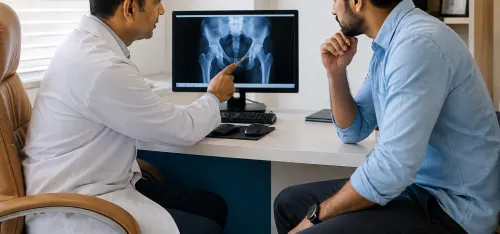
A healthcare professional usually begins by discussing your symptoms, activity level, and medical history. A physical examination helps assess joint movement, swelling, tenderness, and stability.
Additional investigations may include:
- X-rays to identify joint space narrowing and bone changes
- MRI scans when soft tissue assessment is required
- Blood tests if inflammatory arthritis needs to be excluded
These investigations help determine the severity of joint damage and guide treatment decisions.
Treatment Options
Treatment depends on the stage of osteoarthritis, symptom severity, and individual lifestyle.
Conservative management may include:
- Physiotherapy to strengthen the muscles supporting the knee
- Weight management to reduce pressure on the joint
- Activity modification
- Pain-relieving and anti-inflammatory medications when appropriate
- Knee braces in selected cases
- Image-guided injections for suitable patients
Surgery, including knee replacement, is generally considered only when non-surgical treatments no longer provide adequate relief and daily activities become significantly restricted.
Daily Habits That Can Protect Your Knees
Simple lifestyle changes can make a meaningful difference in managing osteoarthritis.
Helpful practices include:
- Maintain a healthy body weight.
- Stay physically active with low-impact exercises.
- Avoid sitting continuously for long periods.
- Wear supportive footwear.
- Strengthen the thigh and hip muscles through guided exercises.
- Avoid repetitive activities that increase knee strain.
Regular movement helps keep the joints flexible while improving muscle strength and balance.
When Should You Consult a Specialist?
Medical advice should be sought if knee pain persists despite rest, affects your daily routine, or is accompanied by swelling, stiffness, or reduced mobility. Early intervention may slow the progression of symptoms and improve long-term joint function.
For people living in Dombivli, persistent knee pain should not be dismissed as a normal part of ageing. Spine and Pain Management Centre evaluates joint and musculoskeletal pain comprehensively to identify the underlying cause and recommend evidence-based treatment options tailored to each individual's condition. Patients can also explore educational resources on spineandpainmanagementcentre.com to better understand osteoarthritis and other chronic pain conditions.
Keywords