
Not all pain is caused by an injury or inflammation. Some people continue to experience burning, tingling, or electric shock-like sensations long after a wound has healed or without any visible injury at all. This type of discomfort is known as Neuropathic Pain, and it develops when the nerves themselves become damaged or stop functioning normally.
Unlike muscle or joint pain, nerve pain often requires a different approach to diagnosis and treatment. Recognising its symptoms early can help individuals receive appropriate care and improve their quality of life.
What Is Neuropathic Pain?
Neuropathic pain occurs when there is damage or dysfunction in the nervous system. The affected nerves send abnormal pain signals to the brain, causing discomfort even when there is no ongoing tissue injury.
The pain may originate from the peripheral nerves, spinal cord, or brain, depending on the underlying condition. It can affect a small area or spread across larger parts of the body.
Because the symptoms are often different from ordinary pain, people may find it difficult to explain what they are experiencing.
Common Symptoms of Nerve Pain
Neuropathic pain can present in several ways, and the symptoms may vary from person to person.
Some of the most common complaints include:
- Burning sensation
- Electric shock-like pain
- Tingling or 'pins and needles'
- Numbness
- Sharp, stabbing pain
- Increased sensitivity to touch
- Pain caused by light contact, such as clothing touching the skin
- Weakness in the affected area
Some individuals experience continuous discomfort, while others have intermittent episodes throughout the day.
What Causes Neuropathic Pain?
Many different medical conditions can damage nerves and lead to neuropathic pain.
Common causes include:
- Diabetes
- Spine disorders causing nerve compression
- Shingles (Herpes Zoster)
- Stroke
- Multiple sclerosis
- Traumatic nerve injuries
- Vitamin deficiencies
- Certain infections
- Side effects of chemotherapy
- Previous surgery affecting nerves
Identifying the exact cause is an important step because treatment depends on the underlying condition.
How Is Neuropathic Pain Diagnosed?
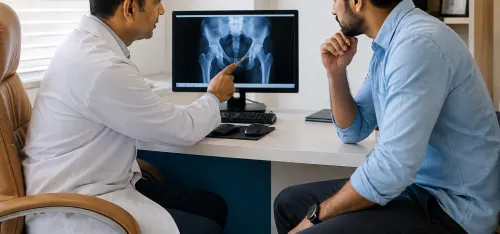
Diagnosing neuropathic pain involves more than simply identifying where the pain occurs. Doctors evaluate the nature of the pain, associated symptoms, and medical history before performing a detailed neurological examination.
Investigations may include:
- MRI or CT scans when nerve compression is suspected
- Nerve conduction studies
- Electromyography (EMG)
- Blood tests to identify metabolic or nutritional causes
- Clinical assessment of sensation, muscle strength, and reflexes
A thorough evaluation helps distinguish nerve pain from joint, muscle, or ligament-related conditions.
Treatment Options
Unlike common pain caused by inflammation, neuropathic pain often requires specialised treatment.
Management may include:
- Medications designed specifically for nerve pain
- Physiotherapy and rehabilitation
- Lifestyle modifications
- Treatment of the underlying medical condition
- Image-guided nerve blocks in selected cases
- Advanced pain management procedures when conservative treatment is insufficient
The choice of treatment depends on the cause, severity of symptoms, and how much the pain affects daily activities.
Can Lifestyle Help Manage Neuropathic Pain?
Medical treatment is often most effective when combined with healthy daily habits.
Patients may benefit from:
- Regular low-impact physical activity
- Good blood sugar control in diabetes
- Balanced nutrition
- Adequate sleep
- Stress management techniques
- Avoiding smoking and excessive alcohol consumption
These measures support overall nerve health and may reduce symptom progression in certain conditions.
When Should You Seek Medical Attention?
Persistent burning, tingling, or numbness should never be ignored, particularly if the symptoms are becoming more frequent or interfere with work, walking, or sleep.
Medical evaluation is recommended if you experience:
- Pain lasting for several weeks
- Progressive numbness or weakness
- Difficulty performing everyday activities
- Symptoms following a spinal injury
- Persistent pain despite routine treatment
Early diagnosis may help prevent further nerve damage and improve long-term outcomes.
Understanding the Importance of Early Evaluation
Neuropathic pain is often misunderstood because it does not always show visible signs of injury. A detailed clinical assessment is essential to identify the source of nerve dysfunction and develop an appropriate management plan.
For individuals in Kalyan, persistent burning, tingling, or electric shock-like pain deserves professional evaluation rather than prolonged self-medication. Spine and Pain Management Centre provides comprehensive assessment and treatment for nerve-related pain conditions, helping patients understand the underlying cause and explore suitable treatment options based on their individual needs.
Keywords