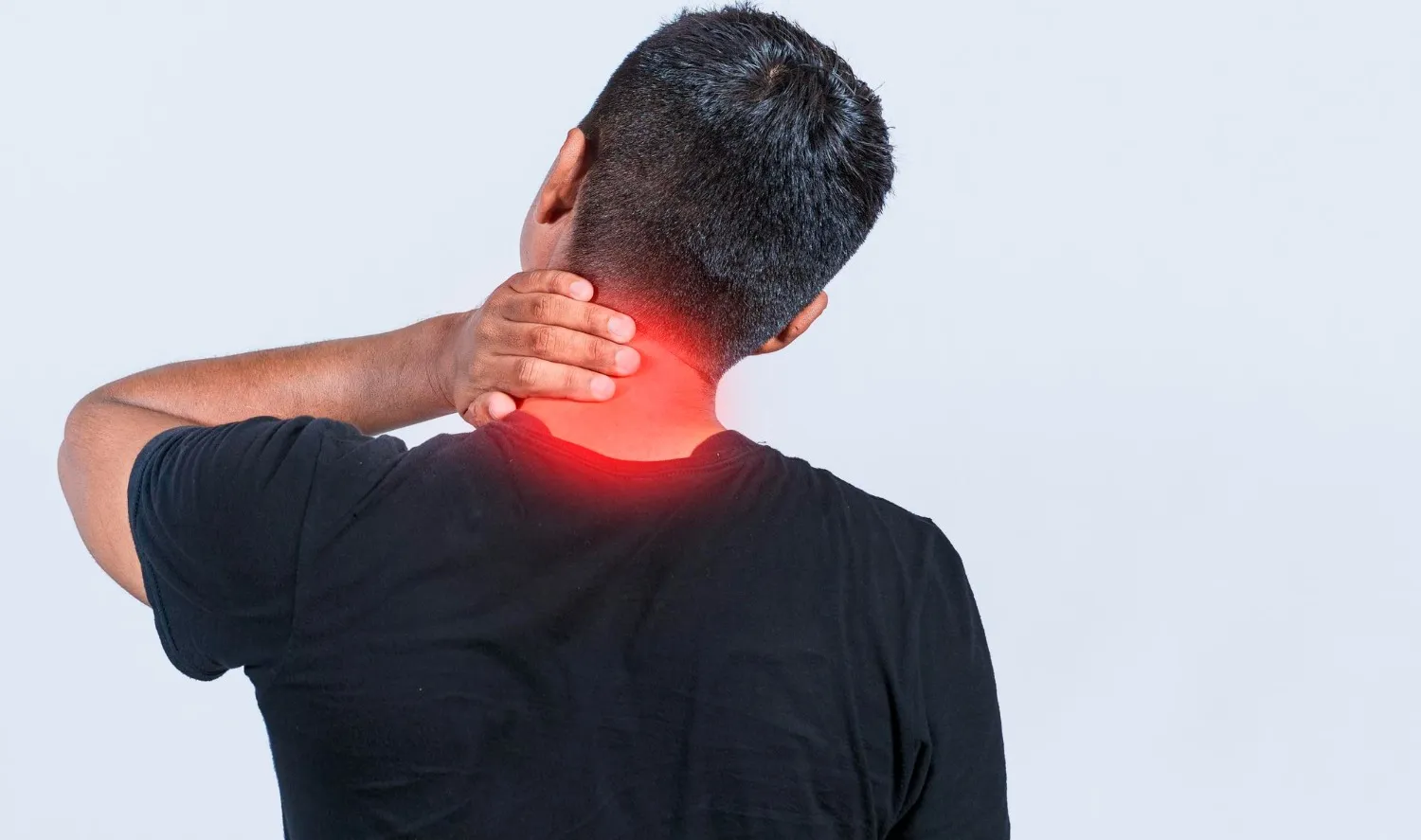
Neck pain is one of the most common musculoskeletal problems affecting people of all age groups. Whether it develops after long hours at a desk, poor posture, an injury, or age-related changes in the spine, persistent neck pain can interfere with work, sleep, driving, and everyday activities. While mild discomfort often improves with rest, pain that lasts for several weeks or spreads to the shoulders or arms should be evaluated by a healthcare professional.
Understanding the possible causes of neck pain and knowing when to seek medical attention can help prevent long-term complications and improve recovery.
What Causes Neck Pain?
The neck, also known as the cervical spine, supports the weight of the head while allowing a wide range of movement. Because of its flexibility, it is vulnerable to strain, wear and tear, and injuries.
Some of the most common causes of neck pain include:
- Poor posture while working or using mobile devices
- Muscle strain due to prolonged sitting
- Cervical spondylosis (age-related degeneration)
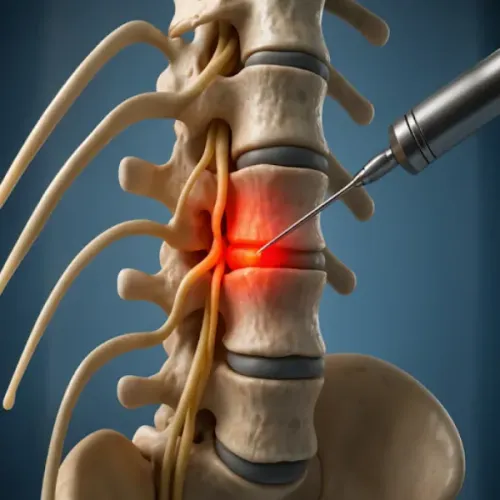
- Herniated or bulging cervical discs
- Nerve compression
- Whiplash injuries
- Arthritis affecting the cervical spine
- Sports-related injuries
In many cases, more than one factor contributes to the pain.
Common Symptoms
Neck pain may develop gradually or appear suddenly after an injury. The symptoms vary depending on the underlying cause.
Common signs include:
- Pain or stiffness in the neck
- Difficulty turning the head
- Pain spreading to the shoulders or upper back
- Headaches starting from the neck
- Muscle spasms
- Tingling or numbness in the arms or hands
- Weakness in the upper limbs
- Pain that worsens after prolonged computer or mobile phone use
If nerve compression is present, symptoms may extend into the arm and fingers.
How Is Neck Pain Diagnosed?
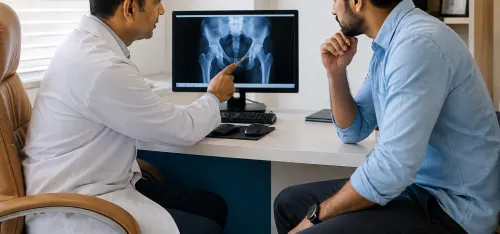
A detailed medical history and physical examination help determine the likely cause of neck pain. During the assessment, the doctor evaluates neck movement, muscle strength, reflexes, sensation, and posture.
Depending on the symptoms, additional investigations may include:
- X-rays to evaluate bone alignment
- MRI scans to assess discs, nerves, and soft tissues
- CT scans in selected cases
- Nerve conduction studies if nerve involvement is suspected
These investigations help identify the exact source of pain and guide the most appropriate treatment plan.
Treatment Options
The treatment approach depends on the severity of symptoms and the underlying diagnosis. Most cases improve with non-surgical management.
Treatment may include:
- Physiotherapy to improve flexibility and strengthen neck muscles
- Posture correction and ergonomic advice
- Pain-relieving or anti-inflammatory medications when appropriate
- Activity modification
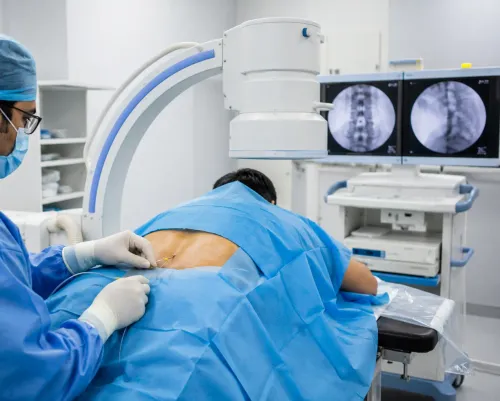
- Image-guided pain management procedures for selected patients
- Targeted rehabilitation exercises
Surgery is generally considered only when significant nerve compression, progressive weakness, or spinal instability is present and conservative treatment has not been effective.
Tips to Prevent Neck Pain
Simple lifestyle habits can help reduce strain on the cervical spine and lower the risk of recurring neck pain.
Helpful measures include:
- Maintain good posture while sitting and standing.
- Position your computer screen at eye level.
- Avoid looking down at your phone for long periods.
- Take short stretching breaks during desk work.
- Sleep with appropriate neck support.
- Perform regular neck-strengthening and flexibility exercises as advised by a healthcare professional.
These habits can help maintain spinal health and reduce unnecessary stress on the neck muscles and joints.
When Should You Seek Medical Attention?
Medical evaluation is recommended if neck pain:
- Persists for more than a few weeks
- Radiates into the shoulders or arms
- Causes numbness or tingling
- Is associated with weakness in the hands
- Develops after an accident or fall
- Interferes with daily activities or sleep
Early diagnosis can help identify the underlying cause before symptoms become more severe.
Managing Neck Pain for Better Mobility
Persistent neck pain should not be dismissed as a routine part of a busy lifestyle or ageing. Identifying the cause early allows appropriate treatment, helping improve comfort, restore movement, and prevent long-term complications.
For individuals in Dombivli, ongoing neck pain or symptoms affecting the arms deserve professional evaluation. Spine and Pain Management Centre provides comprehensive assessment and evidence-based treatment for cervical spine disorders, combining clinical expertise with personalised care to help patients regain mobility and improve their quality of life.
Keywords