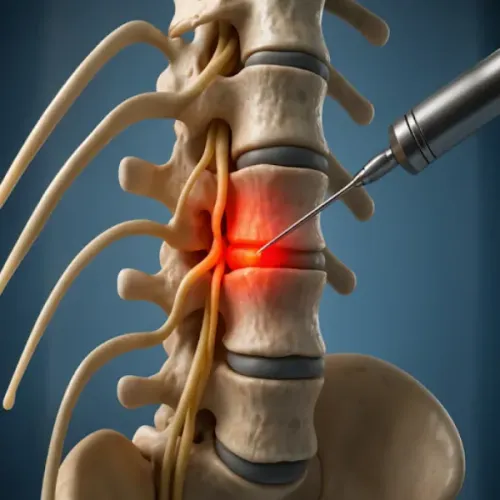

Muscle pain that refuses to go away despite rest, painkillers, or massage may be more than ordinary muscle fatigue. In many cases, persistent pain originates from sensitive knots within the muscles, a condition known as Myofascial Pain Syndrome. This chronic pain disorder affects the muscles and the connective tissues surrounding them, often making routine activities uncomfortable and limiting mobility.
Because the symptoms resemble other musculoskeletal conditions, Myofascial Pain Syndrome is frequently overlooked or mistaken for simple muscle strain. Understanding how it develops and when to seek treatment can help individuals manage the condition more effectively.
What Is Myofascial Pain Syndrome?
Myofascial Pain Syndrome is a chronic condition in which specific areas within the muscles, called trigger points, become highly sensitive. Pressing on these trigger points may cause pain not only at the affected spot but also in another part of the body. This is known as referred pain.
The condition can affect any muscle but is most commonly seen in the:
- Neck
- Shoulders
- Upper back
- Lower back
- Hips
- Jaw muscles
Without proper treatment, the pain may persist for months and interfere with work, sleep, and physical activity.
Common Symptoms
The symptoms vary depending on the muscles involved, but several signs are commonly reported.
These include:
- Deep aching muscle pain
- Tender knots within the muscles
- Pain that spreads to nearby areas
- Muscle stiffness
- Reduced range of movement
- Pain that worsens after physical activity or prolonged sitting
- Fatigue caused by chronic discomfort
- Sleep disturbances due to persistent pain
Unlike temporary muscle soreness, the discomfort usually continues despite adequate rest.
What Causes Myofascial Pain Syndrome?
Several factors can contribute to the development of trigger points.
Common causes include:
- Poor posture
- Repetitive movements
- Muscle overuse
- Sudden muscle injury
- Emotional stress
- Lack of physical activity
- Ergonomic problems at work
- Prolonged computer use
People who spend long hours sitting at a desk or performing repetitive tasks may be at a greater risk of developing the condition.
How Is It Diagnosed?
There is no single laboratory test that confirms Myofascial Pain Syndrome. Diagnosis is primarily based on a detailed clinical evaluation.
During the examination, the doctor assesses:
- Location of muscle pain
- Presence of trigger points
- Muscle tightness
- Range of motion
- Posture
- Movement patterns
Imaging studies such as X-rays or MRI scans may sometimes be advised to rule out other conditions when necessary.
Treatment Options
Treatment focuses on relieving pain, improving muscle function, and preventing recurrence.
Depending on the severity of symptoms, management may include:
- Physiotherapy
- Stretching and strengthening exercises
- Posture correction
- Ergonomic modifications
- Medications when appropriate
- Trigger point injections for selected patients
- Image-guided pain management procedures
A combination of treatments often provides better results than relying on medication alone.
Can Myofascial Pain Syndrome Be Prevented?
Although not every case can be prevented, healthy habits can reduce the likelihood of developing chronic muscle pain.
Helpful measures include:
- Maintain proper posture while working.
- Take regular breaks during prolonged sitting.
- Perform stretching exercises daily.
- Use ergonomic furniture when possible.
- Stay physically active.
- Manage stress through relaxation techniques.
Small lifestyle adjustments can significantly reduce muscle strain over time.
When Should You Consult a Specialist?
Medical advice should be considered if muscle pain continues for several weeks, repeatedly returns, or limits normal activities despite home care.
Professional evaluation is especially important if:
- Pain interferes with sleep
- Muscle stiffness limits movement
- Pain spreads to other areas
- Daily work becomes difficult
- Routine painkillers provide little relief
Early diagnosis helps distinguish Myofascial Pain Syndrome from other conditions affecting the spine, joints, or nerves.
Managing Chronic Muscle Pain Effectively
Persistent muscle pain should not be accepted as a normal consequence of work or ageing. Identifying trigger points and addressing the underlying cause can help restore movement, improve comfort, and reduce recurring pain episodes.
For people in Kalyan, ongoing muscle pain that affects daily life deserves a comprehensive evaluation. Spine and Pain Management Centre offers evidence-based assessment and treatment for myofascial pain and other chronic musculoskeletal conditions, helping patients receive personalised care based on the source and severity of their symptoms.
Keywords