Chronic pain is not always caused by bones, muscles, or joints alone. In some conditions, the sympathetic nervous system contributes to ongoing pain signals that continue long after the original injury has healed. When this happens, Sympathetic Blocks may be considered as part of an interventional pain management programme.
People in Kalyan researching advanced pain treatments often encounter this procedure but may not know which conditions it is intended to treat.
What Are Sympathetic Blocks?
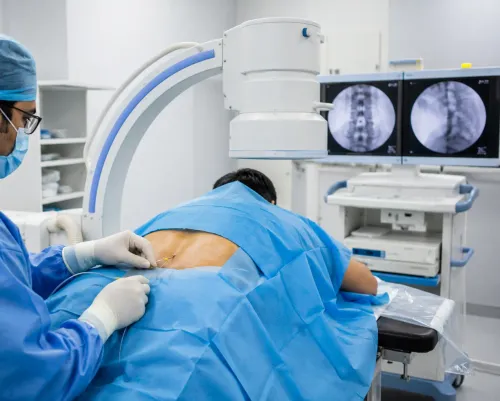
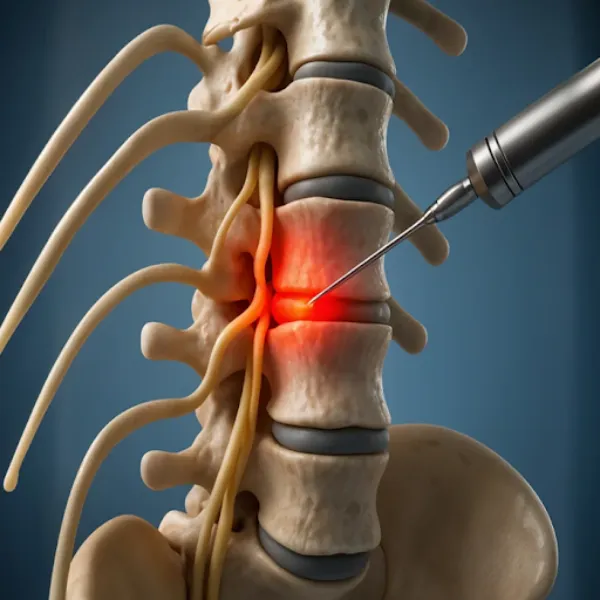
A sympathetic block is an image-guided injection that targets specific nerves within the sympathetic nervous system.
The procedure aims to interrupt abnormal pain signals that may be contributing to chronic pain conditions.
It is performed only after careful medical evaluation and when clinical findings support its use.
Conditions Where Sympathetic Blocks May Be Used
Depending on the diagnosis, sympathetic blocks may be considered for:
- Complex Regional Pain Syndrome
- Certain nerve pain conditions
- Peripheral vascular pain
- Some chronic limb pain disorders
- Post-traumatic pain
- Selected cases of cancer-related pain
Each condition requires individual assessment before treatment.
How the Procedure Is Performed
The procedure is usually completed using imaging guidance for greater precision.
General steps include:
- Clinical assessment
- Positioning the patient comfortably
- Skin preparation
- Image-guided needle placement
- Delivery of medication
- Short observation period
The exact technique varies according to the nerves being targeted.
Benefits Beyond Pain Relief
For suitable patients, sympathetic blocks may help support a broader rehabilitation programme.
Potential benefits include:
- Reduction in pain intensity
- Improved movement
- Better participation in physiotherapy
- Improved circulation in selected conditions
- Enhanced quality of life
Individual outcomes depend on the underlying diagnosis and response to treatment.
What Patients Should Discuss
Before undergoing the procedure, patients should ask about:
- The diagnosis being treated
- Expected benefits
- Possible risks
- Recovery instructions
- Alternative treatment options
- Follow-up care
Understanding the purpose of the procedure helps patients make informed decisions.
Long-Term Pain Management Still Matters
A sympathetic block is rarely a complete treatment by itself.
Long-term care often includes:
- Exercise programmes
- Physiotherapy
- Medication management
- Lifestyle modifications
- Psychological support when appropriate
- Ongoing medical review
Combining multiple treatment approaches often provides better long-term results.
Patients experiencing chronic nerve-related pain may benefit from evaluation at Spine and Pain Management Centre, where interventional procedures such as Sympathetic Blocks are recommended only after careful diagnosis and individualized planning. As advanced pain management services continue to expand across Kalyan, patients have greater access to evidence-based treatments that focus on improving function alongside pain relief.
Keywords