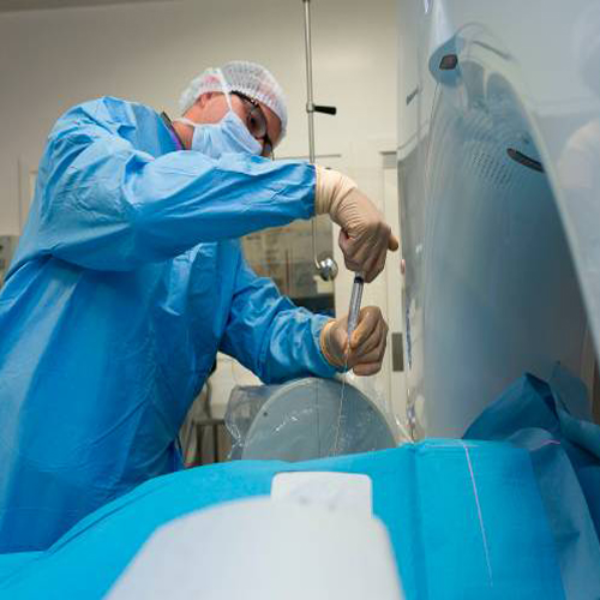
A vertebral compression fracture can cause significant back pain and make standing, walking, turning in bed, and performing everyday activities difficult. Vertebroplasty Treatment is a minimally invasive procedure that may be considered for selected painful vertebral compression fractures, but patient selection is essential.
For older adults and other patients in Kalyan, Maharashtra, understanding when this procedure may be discussed helps create more realistic expectations about its role.
What Vertebroplasty Treatment Involves
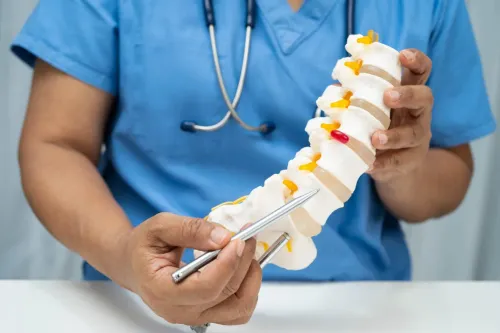
Vertebroplasty generally involves placing bone cement into a fractured vertebral body through a needle under imaging guidance.
The objective is to stabilise the affected vertebra in appropriately selected cases.
Because back pain has many causes, confirming that a compression fracture is actually responsible for the current symptoms is an important part of evaluation.
Who May Need Assessment for a Compression Fracture
Vertebral compression fractures are often associated with weakened bones, particularly osteoporosis. They can also occur in other clinical circumstances.
Symptoms may include:
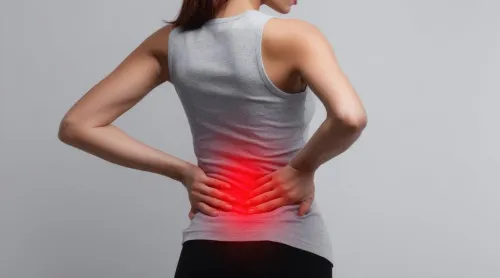
- Sudden back pain
- Pain worsened by standing
- Difficulty walking
- Pain during movement
- Reduced daily activity
- Tenderness around the affected spinal level
However, symptoms vary, and imaging is usually important for confirming the diagnosis and understanding the fracture.
When Vertebroplasty Treatment May Enter the Discussion
Not every compression fracture requires vertebroplasty.
The decision may depend on factors such as the age and nature of the fracture, severity of pain, imaging findings, functional limitations, overall health, and response to appropriate conservative care.
The clinician also needs to determine whether the fracture seen on imaging corresponds with the patient's pain.
What Should Be Checked Before the Procedure
A thorough assessment may consider:
- Medical history
- Pain onset and location
- Neurological findings
- Imaging results
- Bone health
- Medication use
- Previous fracture treatment
- Other possible causes of back pain
This process helps determine whether vertebral augmentation is clinically appropriate.
Why Bone Health Still Matters After Treatment
Treating one painful vertebral fracture does not automatically correct the reason the bone became vulnerable.
When osteoporosis contributes to a compression fracture, long-term management of bone health remains important. Depending on individual needs, this may involve medical evaluation, nutrition, appropriate physical activity, fall-risk reduction, and osteoporosis management.
Ignoring the underlying bone condition can leave a patient vulnerable to additional fractures.
Selecting a Centre for Vertebroplasty Treatment
Patients considering an interventional spine procedure should look beyond the availability of the procedure itself.
A suitable provider should be prepared to explain why vertebroplasty is being considered, how imaging supports the diagnosis, what alternatives exist, what the procedure involves, and what limitations or risks apply.
Spine and Pain Management Centre evaluates minimally invasive pain and spine procedures according to individual clinical findings. This diagnosis-led approach is particularly important for older patients whose back pain may have more than one contributing factor.
For patients in Kalyan, Maharashtra, vertebroplasty is best understood as a treatment for selected cases rather than a routine answer to back pain. Confirming the painful fracture, assessing overall health, and addressing underlying bone weakness are all important parts of a well-planned treatment pathway.
Keywords