
Persistent shoulder pain can make simple activities surprisingly difficult. Reaching overhead, dressing, sleeping on one side, lifting an object, or even working at a desk may become uncomfortable. Yet the shoulder itself is not always the only possible source of pain.
For people in Kalyan, Maharashtra, distinguishing a local shoulder problem from pain referred from the neck can be an important part of choosing appropriate treatment.
What Can Cause Shoulder Pain
The shoulder is a highly mobile region involving bones, muscles, tendons, ligaments, and surrounding soft tissues. Problems affecting these structures can produce pain and restricted movement.
Common clinical possibilities include tendon-related problems, joint irritation, stiffness, injury, and degenerative changes.
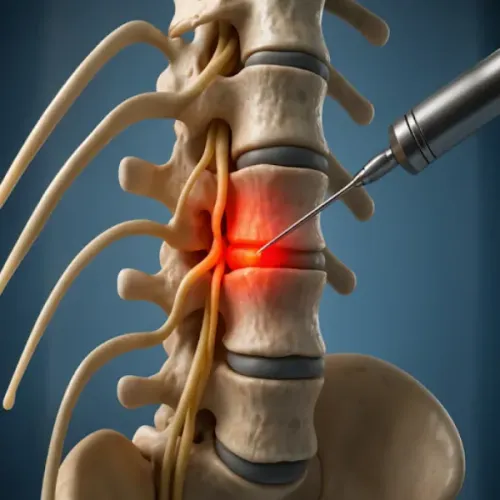
Pain around the shoulder can also sometimes originate from the cervical spine, particularly when a nerve is irritated.
Clues That Shoulder Pain May Come From the Joint
Local shoulder problems often become noticeable during particular arm movements.
A person may experience difficulty:
- Raising the arm overhead
- Reaching behind the back
- Putting on clothing
- Lifting objects
- Sleeping on the affected side
- Performing repeated overhead activity
Restricted shoulder movement can be an important finding during examination.
Clues That Neck Problems May Contribute
When discomfort travels from the neck toward the shoulder and arm, clinicians may consider cervical nerve involvement.
Symptoms such as tingling, numbness, burning pain, or weakness extending into the arm or hand can make this possibility more relevant.
Neck movement may also influence the symptoms.
This distinction matters because treating the shoulder alone may not adequately address pain originating from the cervical region.
What a Useful Shoulder Pain Evaluation Includes
Rather than selecting treatment based only on the location where pain is felt, an assessment should look at the complete pattern.
This may include:
- How the symptoms started
- Which movements provoke pain
- Whether neck movement changes symptoms
- Range of shoulder movement
- Strength
- Neurological symptoms
- Previous injury
- Relevant imaging when clinically required
These findings help narrow down the likely pain generator.
Why Repeated Temporary Relief Can Be Misleading
Some people repeatedly use painkillers, massage, heat, or topical products whenever symptoms return. These measures may provide temporary comfort but do not necessarily clarify the cause.
If pain repeatedly returns after treatment, affects sleep, or reduces arm function, reassessing the diagnosis becomes more useful than continuing the same strategy indefinitely.
Choosing Treatment According to the Source
Management varies considerably depending on whether symptoms arise primarily from the shoulder, cervical spine, or a combination of factors.
Treatment may include rehabilitation, medication, activity modification, or targeted pain interventions in appropriately selected cases.
Spine and Pain Management Centre considers both spinal and musculoskeletal pain patterns when evaluating persistent symptoms. This can be particularly relevant when shoulder discomfort occurs together with neck pain or neurological complaints.
For residents of Kalyan, Maharashtra, the most useful question is not simply “What can reduce my shoulder pain today?” A better question is “Which structure is producing the pain?” Once that is clearer, treatment can be planned around the actual problem rather than the symptom location alone.
Keywords