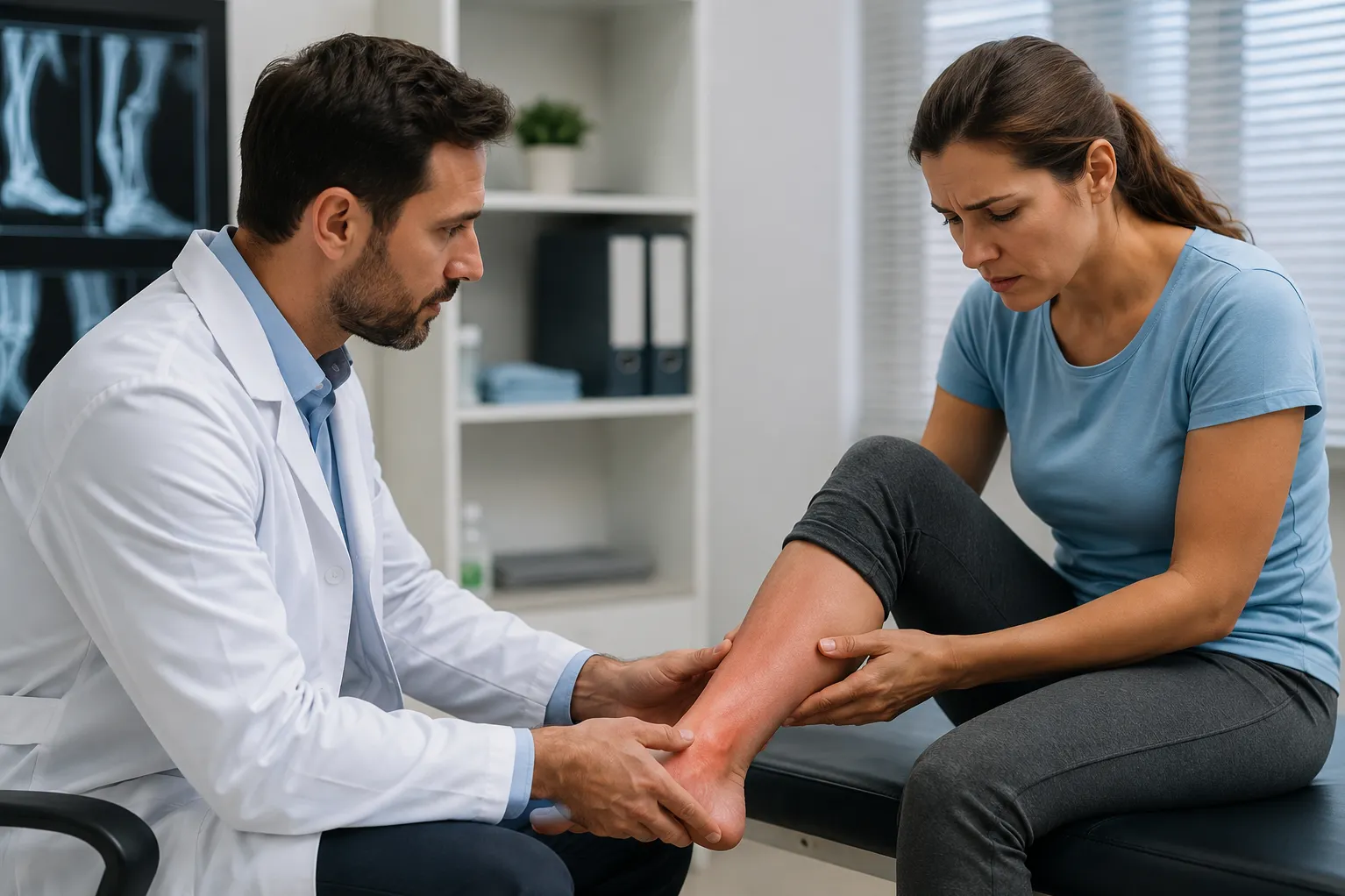
Recovering from an injury or surgery usually means that pain gradually decreases as the body heals. However, for some individuals, the pain becomes more severe instead of improving. It may spread beyond the original injury, become extremely sensitive to touch, and continue for months. This condition is known as Complex Regional Pain Syndrome (CRPS), a chronic pain disorder that affects the nerves, skin, muscles, and blood vessels.
Although CRPS is relatively uncommon, early diagnosis is important because timely treatment can improve function and reduce the long-term impact of the condition.
What Is Complex Regional Pain Syndrome?
Complex Regional Pain Syndrome is a chronic pain condition that usually develops after an injury, fracture, surgery, or, in some cases, even a minor sprain. The pain experienced is often much greater than expected for the original injury.
CRPS most commonly affects:
- Hands
- Arms
- Feet
- Legs
The condition occurs because the nervous system responds abnormally after an injury, leading to persistent pain and changes in circulation, sensation, and movement.
Common Symptoms
The symptoms of CRPS vary from person to person and may change over time.
Common signs include:
- Continuous burning or throbbing pain
- Increased sensitivity to touch or temperature
- Swelling in the affected limb
- Changes in skin colour
- Skin that feels unusually warm or cold
- Reduced movement of the affected joint
- Muscle weakness
- Tremors or muscle spasms
- Changes in nail or hair growth
Many people find that even light contact, such as clothing touching the skin, causes significant discomfort.
What Causes Complex Regional Pain Syndrome?
The exact cause of CRPS is not fully understood, but it is believed to result from an abnormal response of the nervous system following tissue injury.
It may develop after:
- Bone fractures
- Surgical procedures
- Sports injuries
- Sprains
- Burns
- Nerve injuries
- Soft tissue trauma
Not everyone who experiences these injuries develops CRPS, which suggests that multiple biological factors may contribute to the condition.
How Is Complex Regional Pain Syndrome Diagnosed?
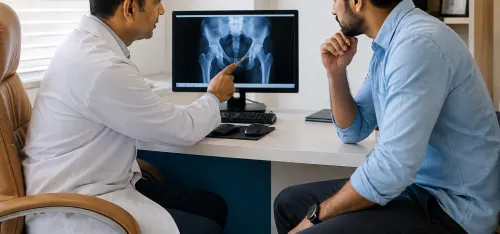
There is no single test that confirms CRPS. Diagnosis is based on a combination of symptoms, physical examination, and medical history while excluding other conditions with similar features.
Depending on the situation, investigations may include:
- X-rays
- MRI scans
- Bone scans
- Nerve conduction studies
- Blood tests to rule out infection or inflammatory disorders
A careful clinical evaluation remains the most important part of diagnosis.
Treatment Options
Managing CRPS often requires a multidisciplinary approach aimed at reducing pain, improving movement, and restoring function.
Treatment may include:
- Physiotherapy to maintain joint mobility
- Occupational therapy
- Medications for nerve pain
- Image-guided nerve blocks
- Interventional pain management procedures
- Psychological support when chronic pain affects emotional well-being
Early treatment generally provides better outcomes than delaying medical care.
Daily Measures That May Support Recovery
Alongside medical treatment, certain habits may help improve function.
These include:
- Staying as physically active as tolerated.
- Following a structured rehabilitation programme.
- Avoiding prolonged immobilisation of the affected limb.
- Performing prescribed range-of-motion exercises.
- Managing stress through relaxation techniques.
- Attending regular follow-up appointments.
Recovery may take time, but consistent treatment and rehabilitation often help improve mobility.
When Should You Seek Medical Advice?
Medical evaluation is recommended if pain after an injury becomes unusually severe or continues long after normal healing should have occurred.
Consult a healthcare professional if you notice:
- Persistent burning pain
- Swelling that does not improve
- Skin colour or temperature changes
- Difficulty moving the affected limb
- Pain that seems out of proportion to the original injury
- Increased sensitivity to touch
Prompt assessment helps distinguish CRPS from other conditions and allows treatment to begin at an earlier stage.
Early Diagnosis Can Improve Long-Term Outcomes
Complex Regional Pain Syndrome can affect daily activities, work, and overall quality of life if left untreated. Recognising the symptoms early and receiving appropriate medical care may help reduce complications and improve recovery.
For individuals in Dombivli, persistent pain following an injury or surgery should not be ignored simply because the original injury has healed. Spine and Pain Management Centre provides comprehensive evaluation and evidence-based management for complex pain conditions, helping patients receive personalised treatment plans focused on improving function, reducing pain, and enhancing quality of life.
Keywords