Hip pain that gradually becomes worse without a significant injury should never be ignored. One possible cause is Avascular Necrosis (AVN) of the Hip, a condition that develops when the blood supply to the hip bone is reduced or interrupted. Without an adequate blood supply, the bone tissue begins to weaken and may eventually collapse, leading to pain, stiffness, and reduced mobility.
Although Avascular Necrosis can affect people of different ages, early diagnosis plays a vital role in preserving the hip joint and improving long-term outcomes. Understanding the warning signs and available treatment options can help patients seek timely medical care.
What Is Avascular Necrosis of the Hip?
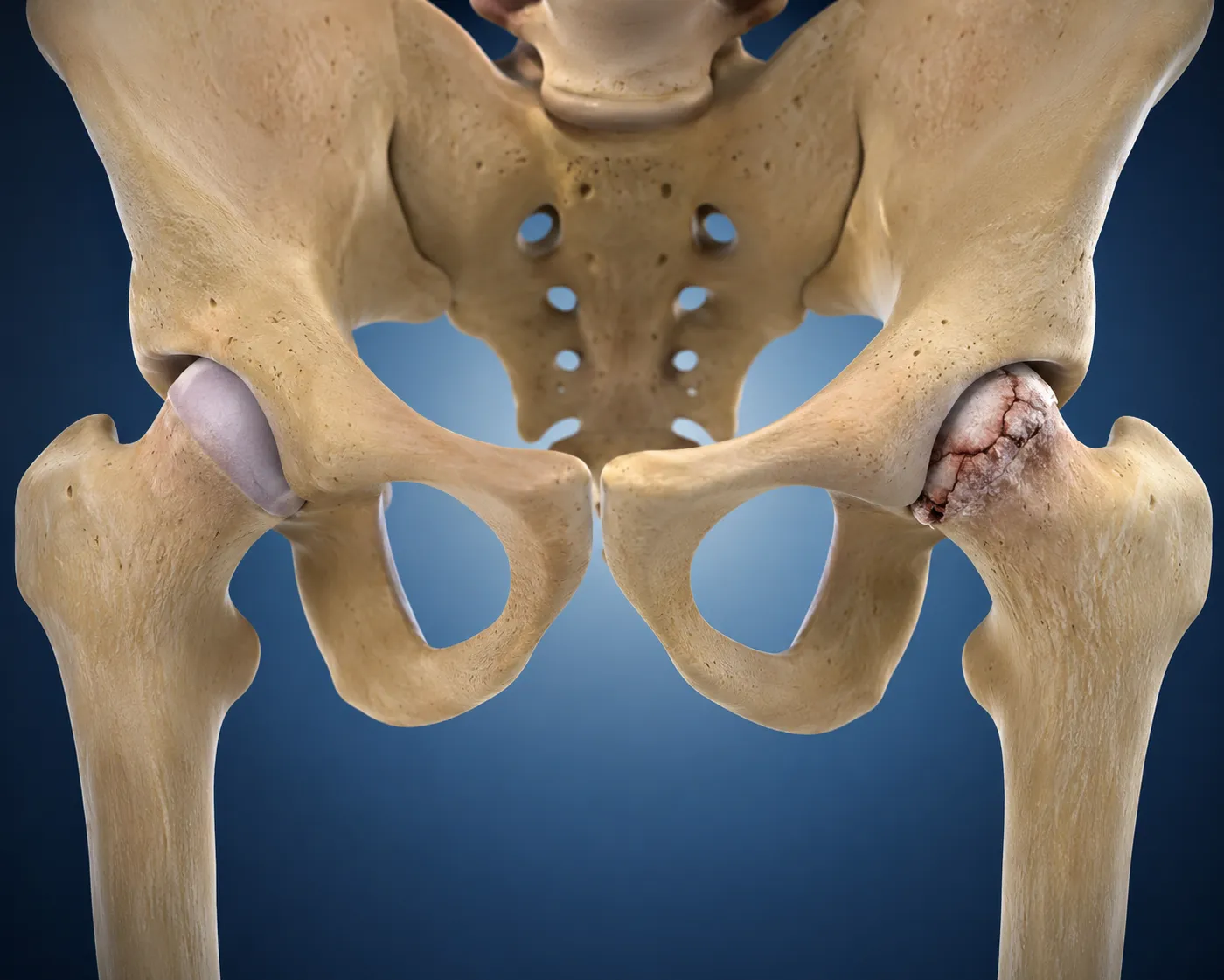
Avascular Necrosis, also called osteonecrosis, occurs when bone tissue dies because it does not receive enough blood. The condition most commonly affects the head of the femur, which forms the ball portion of the hip joint.
In the early stages, there may be little or no pain. As the condition progresses, the damaged bone may weaken, causing the smooth surface of the joint to collapse. This can eventually lead to arthritis and significant difficulty with movement.
Common Symptoms
The symptoms usually develop gradually and become more noticeable over time.
Common signs include:
- Pain in the groin
- Hip pain while walking
- Pain that spreads to the thigh or buttock
- Stiffness in the hip joint
- Difficulty climbing stairs
- Reduced range of hip movement
- Limping
- Pain even during rest in advanced stages
Initially, discomfort may occur only during physical activity, but as the disease progresses, pain can become constant.
What Causes Avascular Necrosis?
Several factors can reduce blood flow to the hip bone.
Common causes include:
- Hip fractures or dislocations
- Long-term use of corticosteroid medications
- Excessive alcohol consumption
- Certain blood disorders
- Autoimmune diseases
- Previous radiation therapy
- Some metabolic conditions
In some individuals, no definite cause is identified despite detailed evaluation.
How Is It Diagnosed?
Early diagnosis is essential because treatment is often more effective before significant bone damage occurs.
Your doctor may recommend:
- Physical examination
- X-rays of the hip joint
- MRI scan to detect early bone changes
- CT scan in selected cases
- Blood tests to evaluate associated medical conditions when necessary
MRI is particularly useful because it can detect Avascular Necrosis before changes become visible on standard X-rays.
Treatment Options
The choice of treatment depends on the stage of the disease, the amount of bone damage, and the patient's age and activity level.
Treatment may include:
- Activity modification
- Medications to manage pain
- Physiotherapy
- Walking aids to reduce pressure on the hip
- Image-guided pain management procedures where appropriate
- Surgical procedures such as core decompression or hip replacement in advanced cases
Early-stage disease often has more treatment options aimed at preserving the natural hip joint.
Can Avascular Necrosis Be Prevented?
Not every case can be prevented, but certain measures may help reduce the risk in susceptible individuals.
These include:
- Using corticosteroid medications only under medical supervision.
- Limiting excessive alcohol consumption.
- Managing chronic medical conditions effectively.
- Seeking prompt treatment after hip injuries.
- Maintaining a healthy body weight.
- Attending regular follow-up appointments if you have known risk factors.
These measures support overall bone health and may reduce the likelihood of disease progression.
When Should You Consult a Specialist?
Medical attention should be sought if:
- Hip pain persists for several weeks.
- Walking becomes increasingly difficult.
- Pain develops without a major injury.
- Hip stiffness limits daily activities.
- Symptoms continue despite rest and routine treatment.
Early evaluation can improve the chances of preserving the hip joint and reducing future complications.
Early Diagnosis Supports Better Outcomes
Avascular Necrosis of the Hip is a progressive condition, but recognising the symptoms early allows treatment to begin before significant joint damage occurs. Delaying evaluation may reduce the available treatment options and increase the likelihood of requiring surgery later.
For residents of Dombivli, persistent hip pain deserves careful medical assessment rather than being dismissed as a simple muscle strain. Spine and Pain Management Centre provides comprehensive evaluation of hip and musculoskeletal conditions, helping patients receive evidence-based treatment plans designed to improve mobility, relieve pain, and support long-term joint health.
Keywords