
Facial pain is often linked to dental problems, sinus infections, or jaw disorders. However, when the pain continues despite treatment and no clear cause can be identified, it may be classified as Atypical Face Pain, also known as persistent idiopathic facial pain. Unlike other facial pain conditions, it does not follow the course of a specific nerve and may present with symptoms that are difficult to explain.
Because the condition can resemble several other disorders, many individuals undergo multiple dental or medical treatments before receiving the correct diagnosis. Understanding its characteristics can help patients seek appropriate evaluation and avoid unnecessary procedures.
What Is Atypical Face Pain?
Atypical Face Pain is a chronic pain condition that affects the face without an obvious structural abnormality. The pain is usually persistent and does not match the pattern of common nerve-related conditions such as trigeminal neuralgia.
It may affect one side of the face or occasionally involve larger facial areas. The discomfort can interfere with eating, speaking, working, and social interactions, especially when symptoms continue for several months.
Common Symptoms
The symptoms vary from person to person, making diagnosis more challenging.
People often describe the pain as:
- Constant dull aching pain
- Burning sensation
- Pressure-like discomfort
- Deep facial pain
- Pain that changes location
- Tenderness without visible swelling
- Persistent discomfort despite dental treatment
Unlike trigeminal neuralgia, the pain is usually continuous rather than occurring in short electric shock-like episodes.
What Causes Atypical Face Pain?
The exact cause is not always clear. Researchers believe that changes in the way the nervous system processes pain may contribute to the condition.
Possible contributing factors include:
- Previous dental procedures
- Minor facial injuries
- Nerve sensitisation
- Chronic stress
- Underlying pain disorders
- Changes in pain processing pathways
In many cases, routine scans and dental examinations appear normal despite ongoing symptoms.
How Is It Diagnosed?
There is no single test that confirms atypical facial pain. Diagnosis involves ruling out other possible causes through a comprehensive assessment.
Your doctor may recommend:
- Detailed medical history
- Neurological examination
- Dental evaluation
- MRI scan when necessary
- Assessment of jaw function
- Review of previous treatments
A careful evaluation helps distinguish atypical facial pain from trigeminal neuralgia, temporomandibular joint disorders, sinus disease, and dental conditions.
Treatment Options
Treatment focuses on reducing pain, improving daily function, and addressing factors contributing to chronic pain.
Management may include:
- Medications for chronic nerve-related pain
- Physiotherapy for associated muscle tension
- Behavioural pain management strategies
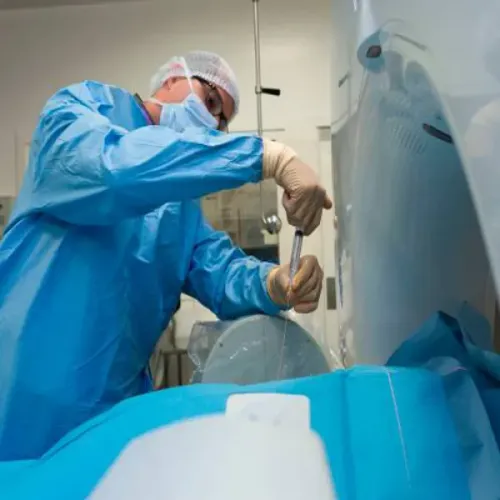
- Image-guided pain interventions in selected patients
- Stress management techniques
- Regular follow-up to monitor progress
Since every patient's symptoms are different, treatment plans are usually individualised.
Tips for Living with Chronic Facial Pain
Although ongoing facial pain can be frustrating, certain self-care measures may complement medical treatment.
Helpful practices include:
- Maintain regular sleep habits.
- Avoid unnecessary self-medication.
- Keep a record of pain triggers and patterns.
- Manage stress through relaxation techniques.
- Follow the prescribed treatment plan consistently.
- Attend scheduled medical reviews.
These measures can help healthcare providers better understand symptom patterns and monitor improvement over time.
When Should You Consult a Specialist?
Persistent facial pain deserves medical attention, particularly if it continues despite dental treatment or routine medications.
Consult a specialist if:
- Facial pain lasts for several weeks or months.
- Dental examinations do not explain the symptoms.
- Pain interferes with eating or speaking.
- Daily activities become difficult because of discomfort.
- The pain repeatedly returns without a clear reason.
A thorough evaluation helps identify the cause and reduces the likelihood of unnecessary procedures.
The Importance of a Comprehensive Assessment
Facial pain is not always caused by problems involving the teeth or sinuses. A detailed assessment can help determine whether the pain originates from nerves, muscles, joints, or other structures, allowing treatment to focus on the actual source of the problem.
For people in Kalyan, persistent facial pain should be evaluated rather than repeatedly treated without a confirmed diagnosis. Spine and Pain Management Centre provides comprehensive assessment for complex pain conditions, helping patients understand the cause of their symptoms and receive evidence-based treatment tailored to their individual needs
Keywords