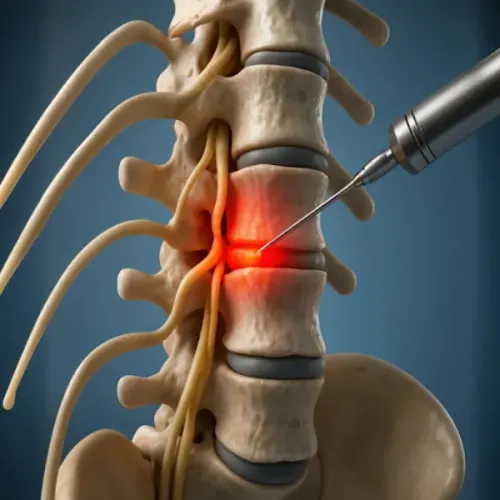
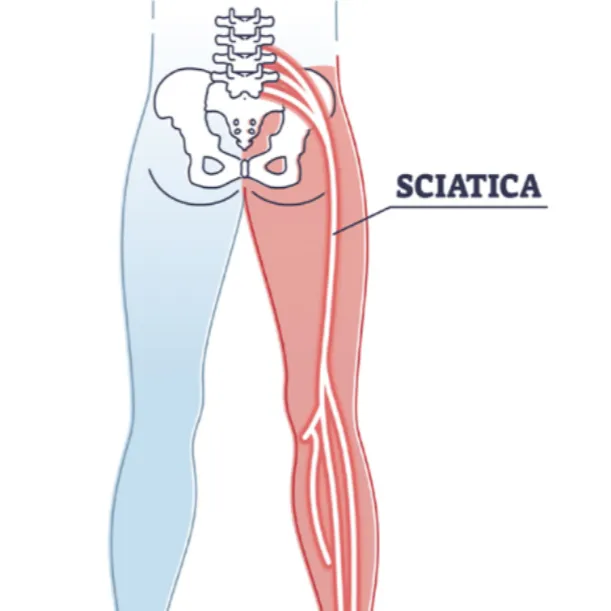
Pain that begins in the lower back and travels through the buttock into the leg is often associated with Sciatica. While many people describe it simply as leg pain, sciatica is actually caused by irritation or compression of the sciatic nerve, the longest nerve in the body. The condition can range from mild discomfort to intense pain that makes standing, walking, or sitting difficult.
With increasing desk-based jobs, long commutes, and reduced physical activity, many adults in Dombivli experience symptoms that resemble sciatica without realizing the importance of early evaluation.
What Causes Sciatica?
Sciatica develops when the sciatic nerve becomes compressed or inflamed. Several spinal conditions can contribute to this problem.
Common causes include:
- Herniated lumbar disc
- Degenerative disc disease
- Spinal stenosis
- Spondylolisthesis
- Bone spurs
- Muscle tightness affecting nearby nerves
- Trauma affecting the lower spine
Identifying the exact cause is essential because treatment varies depending on the underlying condition.
Recognizing the Symptoms
Sciatica affects individuals differently. Some notice occasional tingling, while others experience continuous pain.
Symptoms may include:
- Pain travelling from the lower back into one leg
- Burning sensation in the thigh or calf
- Numbness in the foot
- Tingling sensations
- Muscle weakness
- Difficulty standing after sitting
- Pain that worsens while coughing or sneezing
Pain usually affects one side of the body, although severity varies considerably.
Daily Activities That Can Aggravate Sciatica
Certain movements place additional pressure on the irritated nerve.
People often notice worsening symptoms during:
- Sitting for long hours
- Lifting heavy objects incorrectly
- Driving for extended periods
- Sudden twisting movements
- Poor sitting posture
- Lack of regular physical activity
Making small adjustments to everyday habits can reduce unnecessary strain on the lower spine.
Helpful Lifestyle Measures
Many patients benefit from conservative measures during the early stages.
These may include:
- Gentle walking
- Guided stretching exercises
- Maintaining healthy posture
- Using supportive seating
- Avoiding prolonged bed rest
- Maintaining a healthy weight
- Strengthening core muscles
Complete inactivity is generally discouraged unless specifically advised by a healthcare professional.
When Professional Assessment Becomes Important
Although mild episodes sometimes improve, certain warning signs require prompt medical evaluation.
Consult a specialist if:
- Pain continues beyond several weeks.
- Walking becomes difficult.
- Leg weakness develops.
- Bladder or bowel control changes occur.
- Numbness becomes extensive.
- Pain repeatedly returns.
Early diagnosis may prevent long-term nerve damage and improve treatment outcomes.
How Sciatica Is Diagnosed
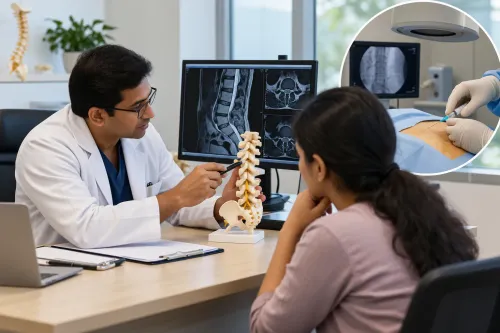
Doctors combine medical history with physical examination to determine whether symptoms originate from the sciatic nerve.
Depending on clinical findings, investigations may include:
- Neurological examination
- Straight leg raise testing
- X-rays
- MRI
- CT scan when appropriate
These tests help identify the location and severity of nerve compression.
Treatment Depends on the Cause
Many patients recover with non-surgical treatment tailored to the diagnosis.
Management may involve:
- Physiotherapy
- Medication
- Structured rehabilitation
- Lifestyle modification
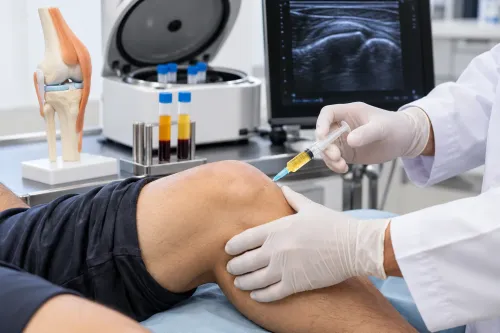
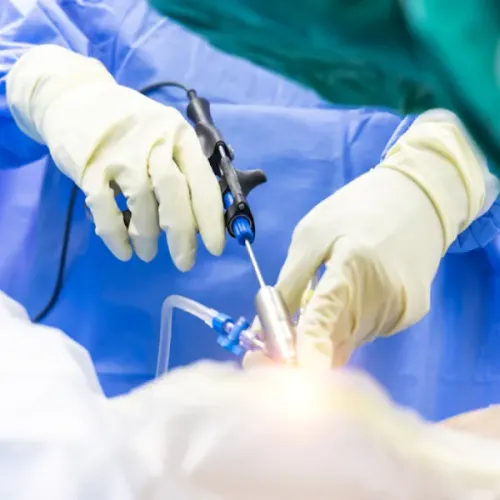
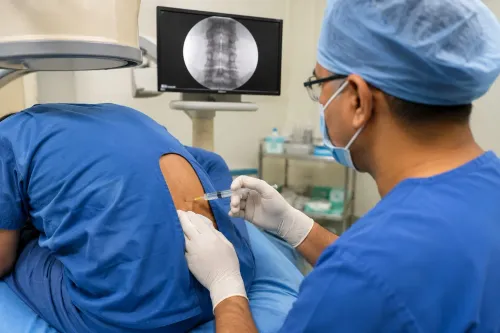
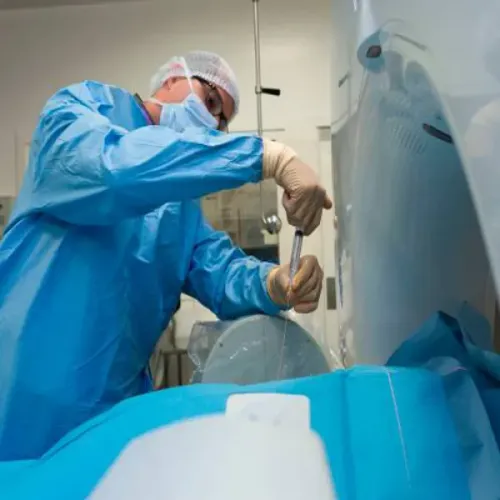
- Image-guided pain procedures when indicated
Patients requiring evaluation for persistent nerve-related pain may consult specialists at Spine and Pain Management Centre, where treatment plans focus on identifying the underlying cause rather than simply masking symptoms. Increasing awareness of spine health across Dombivli encourages earlier care, helping many individuals return to daily activities with improved comfort and mobility.
Keywords