People with persistent joint, tendon, or musculoskeletal pain increasingly encounter information about regenerative procedures. PRP Regenexx Protocol Treatment may be discussed in selected clinical settings, but choosing regenerative care requires more than deciding that conventional symptom relief has become frustrating.
For patients in Dombivli, Maharashtra, a useful evaluation starts with the diagnosis, treatment goals, procedure protocol, available evidence, and realistic expectations.
What PRP Regenexx Protocol Treatment Uses
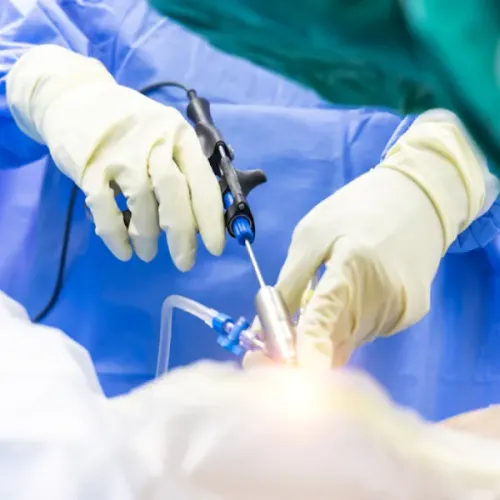
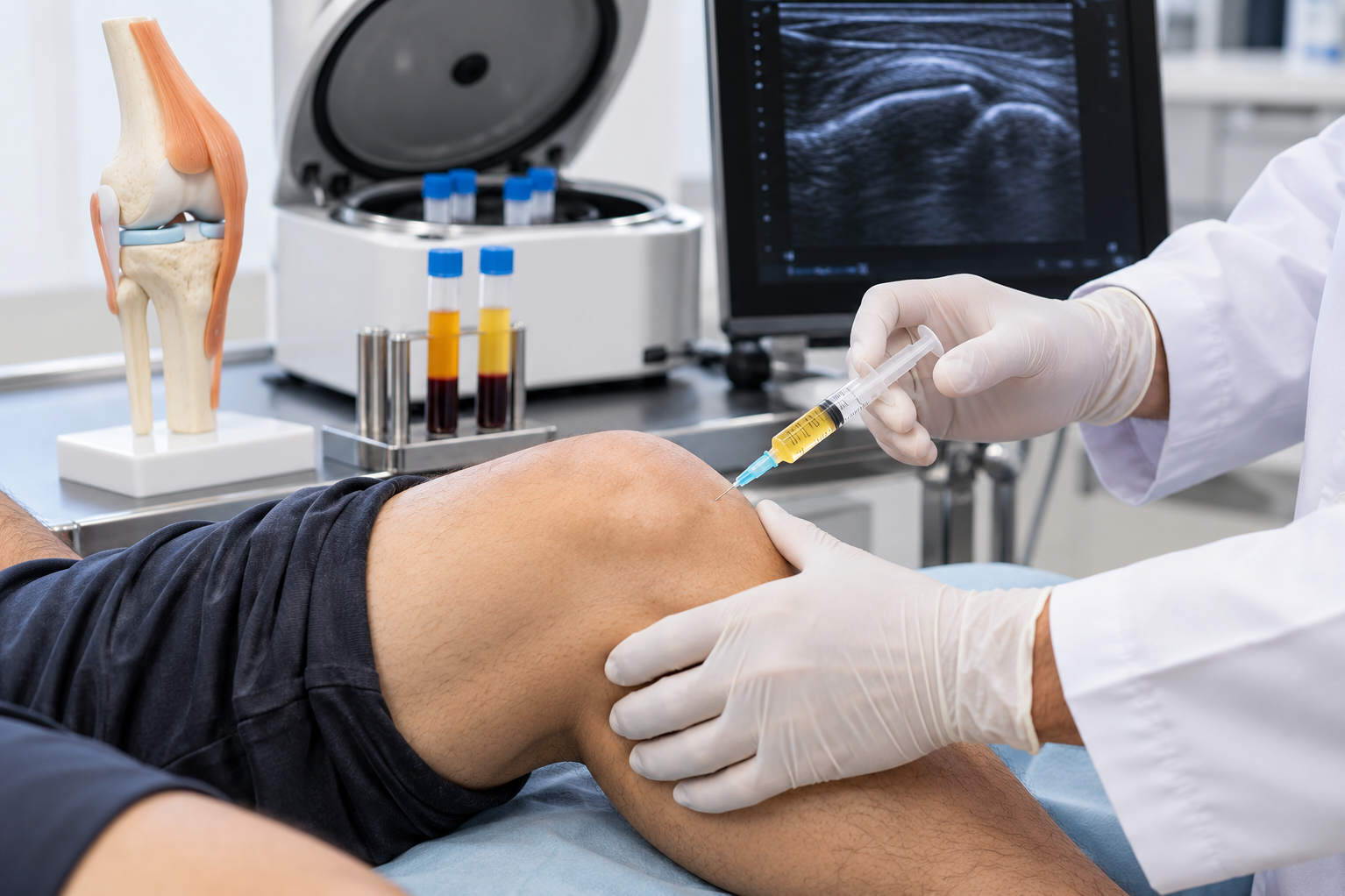
PRP refers to platelet-rich plasma prepared from a patient's own blood. The blood is processed to obtain a platelet-concentrated preparation, which is then used according to a clinical protocol.
Regenerative medicine protocols can vary in preparation methods, targeting, and patient selection. Patients should therefore understand what is actually being proposed rather than treating all “PRP” procedures as identical.
Who May Be Ready to Discuss PRP Treatment
Persistent pain alone does not establish suitability.
A clinician should first determine what structure is involved and whether the condition is one for which PRP is reasonably being considered.
Readiness indicators may include:
- A defined musculoskeletal diagnosis
- Persistent symptoms despite appropriate conservative care
- Functional limitations
- A clear treatment target
- Realistic expectations
- Willingness to follow rehabilitation advice
Age alone should not be used as the only deciding factor.
What to Ask About the PRP Regenexx Protocol Treatment
Patients can make a more informed decision by asking specific questions.
Useful questions include:
- What condition are you treating?
- Why is PRP being considered for this diagnosis?
- How is the preparation performed?
- How is the target identified?
- What evidence is relevant to my condition?
- What alternatives should I consider?
- What activity restrictions may follow?
- What rehabilitation is recommended?
The quality of the explanation is important because regenerative procedures should be tied to a clinical objective.
Be Careful With Guaranteed Regeneration Claims
Terms such as “regeneration” can easily create unrealistic expectations.
Biological treatments should not be interpreted as a promise that every damaged structure will return to its original condition. Outcomes vary according to the diagnosis, severity, patient characteristics, biological factors, and rehabilitation.
A responsible provider should be comfortable discussing limitations as clearly as potential benefits.
Why Image Guidance and Accurate Targeting Can Matter
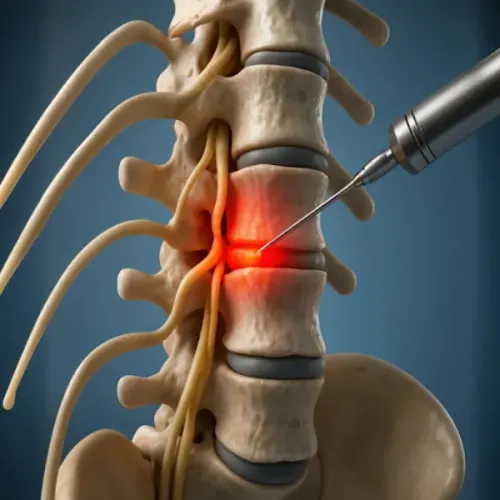
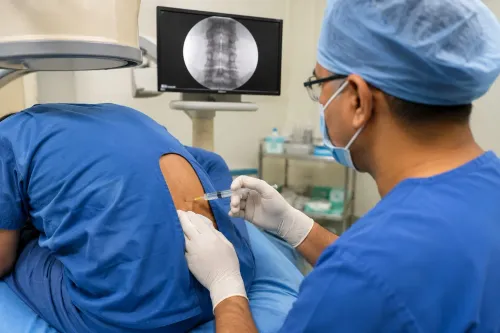
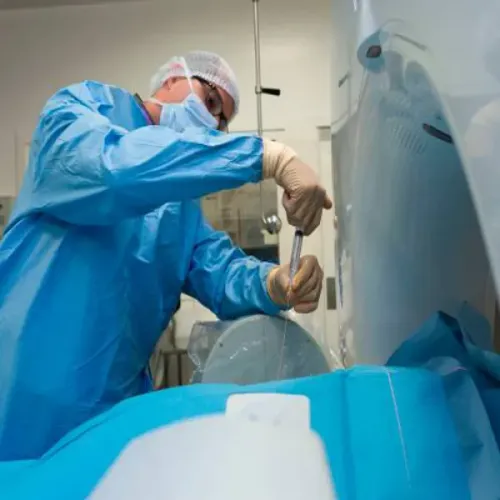
Depending on the procedure and anatomical target, accurate placement may be an important consideration.
Patients should ask how the treatment site is identified and whether imaging guidance is used when appropriate. This provides a more meaningful evaluation criterion than promotional claims alone.
Selecting a Regenerative Medicine Provider
A regenerative medicine consultation should include diagnosis, alternatives, expected recovery, limitations, and follow-up planning.
Spine and Pain Management Centre provides regenerative medicine assessment as part of a broader pain-management approach, allowing the suitability of a procedure to be considered alongside other available options.
For individuals in Dombivli, Maharashtra, choosing PRP Regenexx Protocol Treatment should be a diagnosis-based decision rather than a response to the popularity of regenerative medicine. The most useful consultation is one that explains what is being treated, why PRP is being considered, how the procedure fits into rehabilitation, and what outcome can reasonably be expected.
Keywords