Persistent leg pain caused by certain disc-related spinal conditions can be frustrating, particularly when medication, activity modification, and rehabilitation have not produced sufficient improvement. Spine Endoscopy Treatment is a minimally invasive approach that may be considered in selected cases, but the presence of back pain or an abnormal MRI alone does not establish suitability.
For patients in Kalyan, Maharashtra, the decision should begin with a clear diagnosis and a careful review of previous treatment.
What Spine Endoscopy Treatment Involves
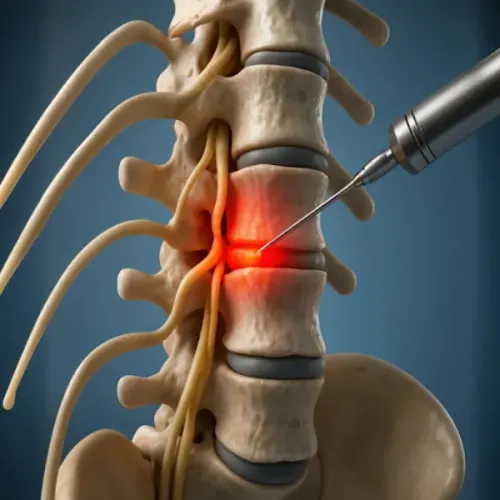
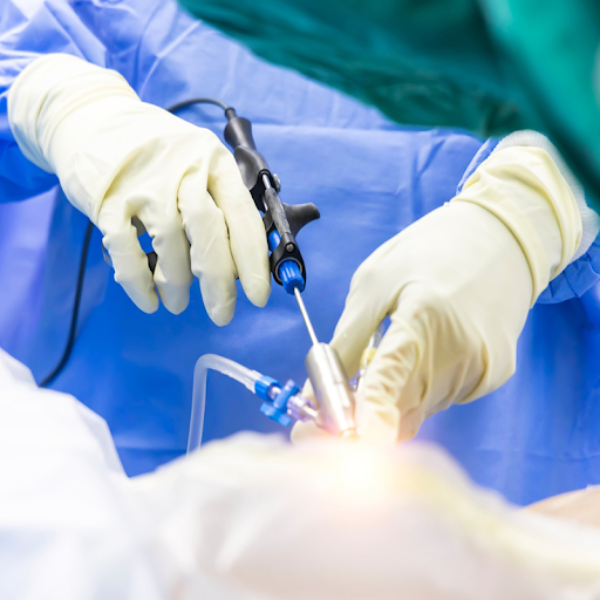
Endoscopic spine procedures use a small camera and specialised instruments to access targeted spinal structures through a relatively small working channel.
The technique may allow treatment of certain causes of nerve compression with less tissue disruption than conventional open approaches in appropriately selected cases.
However, “minimally invasive” does not mean that every spine condition can be managed endoscopically.
Signs That Further Evaluation May Be Appropriate
A patient may be ready to discuss procedural options when symptoms remain functionally limiting despite an appropriate conservative treatment period.
Examples include:
Persistent radiating leg pain
Nerve-related symptoms affecting walking
Ongoing pain interfering with sleep
Difficulty working or performing normal activities
Imaging showing a potentially relevant structural problem
Symptoms returning despite appropriate conservative care
Neurological findings can also influence the urgency and type of treatment considered.
Why MRI Findings Alone Are Not Enough
An MRI may show disc bulges, degeneration, or other spinal changes in people who do not have significant symptoms.
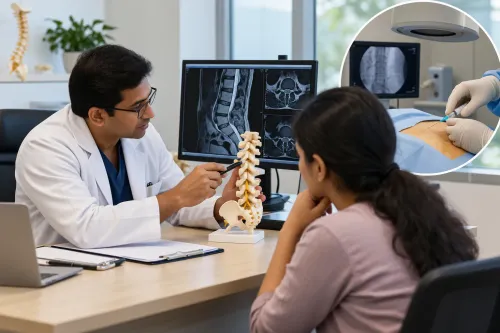
For that reason, a provider should correlate imaging with the patient's pain distribution, neurological examination, and clinical history before recommending Spine Endoscopy Treatment.
A technically visible abnormality is not automatically a treatment target.
Questions to Ask a Spine Endoscopy Treatment Provider
Before proceeding, patients should understand why the procedure has been recommended.
Important questions include:
Which structure is causing my symptoms?
Does my examination match the MRI finding?
Have reasonable non-surgical options been considered?
Why is endoscopic treatment suitable for this condition?
What are the limitations and possible risks?
What recovery restrictions may apply?
What rehabilitation may be needed afterward?
A provider who can explain these points clearly makes it easier for patients to make an informed decision.
When Another Treatment May Be More Appropriate
Endoscopic treatment is not a substitute for correct patient selection.
Some patients may continue with conservative care. Others may benefit from an interventional pain procedure. Certain conditions may require a different surgical technique.
The goal should be to choose the least invasive treatment that is appropriate for the actual problem rather than selecting a procedure because it sounds advanced.
At Spine and Pain Management Centre, minimally invasive spine treatment decisions can be considered after reviewing symptoms, neurological findings, imaging, and previous management.
For patients in Kalyan, Maharashtra, readiness for Spine Endoscopy Treatment is less about how long they have “put up with” back pain and more about whether there is a clearly identified structural cause that matches persistent symptoms. A diagnosis-led discussion helps determine whether endoscopic treatment genuinely fits the clinical problem.
Keywords