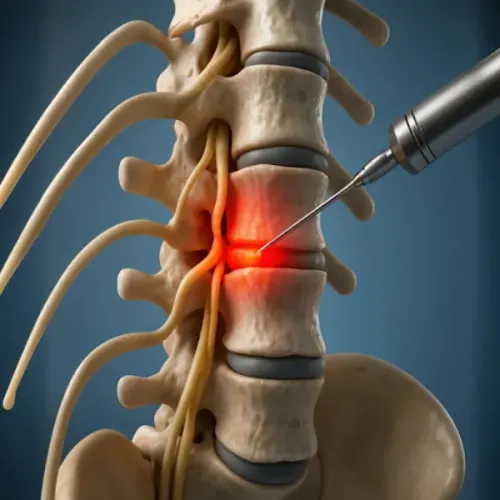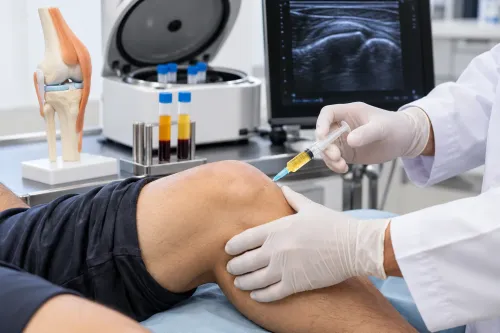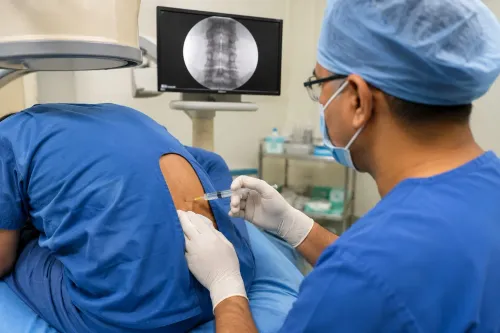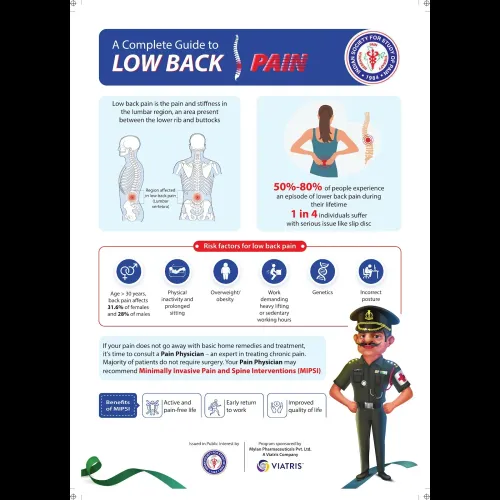

When back or neck pain begins travelling into an arm or leg, patients often search for treatments that can provide more targeted relief. Epidural Injections Treatment may be appropriate for certain nerve-related spinal conditions, but the quality of the assessment before the procedure is just as important as the injection itself.
For patients in Kalyan, Maharashtra, knowing what to check before proceeding can help distinguish diagnosis-led interventional care from treatment based mainly on symptoms.
Confirm Why Epidural Injections Treatment Is Being Recommended
The first question should be simple — what is causing the pain?
An epidural injection is generally considered when symptoms and clinical findings suggest irritation involving spinal nerve structures. It should not automatically be used for every type of back pain.
The provider should be able to explain:
- The likely diagnosis
- Which nerve may be involved
- How symptoms match the diagnosis
- Whether imaging supports the clinical findings
- Why an epidural approach is being considered
If the treatment target is unclear, further evaluation may be necessary.
Check Whether Previous Care Has Been Reviewed
A useful consultation considers what has already been tried.
Patients should be prepared to discuss medication, physiotherapy or rehabilitation, previous injections, activity changes, symptom duration, and whether the condition has improved or worsened.
This information helps determine where an epidural procedure fits within the treatment pathway.
Understand How the Procedure Is Performed
Targeted spinal procedures require careful anatomical placement.
Patients can ask whether appropriate imaging guidance is used, what medication is planned, which spinal region will be targeted, and what monitoring is involved.
They should also disclose relevant medical conditions, allergies, infections, pregnancy status where applicable, and medications such as blood-thinning drugs. Medication changes should be made only according to appropriate medical instructions.
Know the Expected Goal of Epidural Injections Treatment
A useful treatment goal is specific.
For one patient, the aim may be to reduce severe radiating pain enough to improve mobility. For another, symptom reduction may make rehabilitation easier.
The provider should avoid guaranteeing complete or permanent pain relief. Response and duration of benefit can vary between individuals.
Review Aftercare and Follow-Up
The procedure should not be treated as an isolated event.
Before proceeding, patients should know:
- What to expect immediately afterward
- Which activities may need temporary modification
- Which symptoms require medical attention
- When follow-up is planned
- How treatment response will be measured
- What happens if symptoms persist
This follow-up framework helps determine whether the intervention has achieved its intended clinical objective.
Choose Assessment Quality Over Procedure Availability
An interventional pain centre should not simply offer an injection because a patient requests one.
Spine and Pain Management Centre evaluates whether targeted pain procedures fit the patient's symptoms, clinical findings, investigations, and previous treatment history.
For patients in Kalyan, Maharashtra, choosing Epidural Injections Treatment should involve more than comparing procedure availability. A clear diagnosis, appropriate targeting, realistic expectations, safety screening, and structured follow-up are stronger indicators of treatment readiness and responsible pain management.
Keywords