Some chronic pain conditions are more complex than a straightforward muscle, joint, or disc problem. In selected cases, the sympathetic nervous system may contribute to the way pain is maintained. Sympathetic Blocks are interventional procedures that can be considered when the clinical presentation suggests that these nerves may be involved.
For patients in Dombivli, Maharashtra, understanding why a sympathetic block is recommended is essential because it is a specialised procedure rather than a routine injection for general pain.
What Sympathetic Blocks Target
The sympathetic nervous system helps regulate functions such as blood vessel activity and other automatic body responses. Certain persistent pain conditions may involve abnormal sympathetic activity.
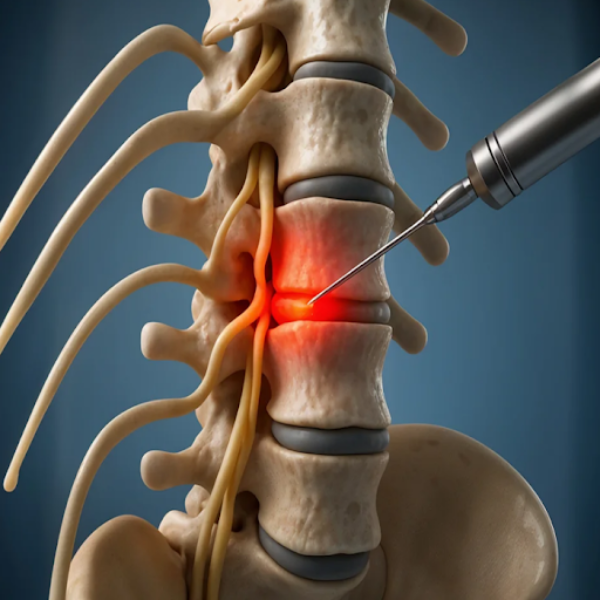
A sympathetic block involves delivering medication near specific sympathetic nerve structures with the aim of interrupting or assessing pain signals in an appropriately selected patient.
Different anatomical targets may be used depending on the location and suspected pain mechanism.
When Sympathetic Blocks May Enter the Treatment Plan
These procedures may be considered in selected complex pain presentations, including situations where symptoms suggest a neuropathic or sympathetically maintained component.
A patient may report features such as:
- Persistent burning pain
- Marked sensitivity to touch
- Changes in skin temperature
- Changes in skin colour
- Swelling
- Altered sweating
- Pain that appears disproportionate to the original injury
These features do not automatically establish a diagnosis. A detailed clinical evaluation remains necessary.
What Should Be Assessed Before the Procedure
Before considering a sympathetic block, the clinician should review the history of the condition and determine whether the symptom pattern supports the procedure.
Assessment may include:
- How the pain started
- Location and distribution
- Sensory changes
- Skin and temperature changes
- Previous injuries or procedures
- Functional limitations
- Treatments already attempted
- Relevant medical conditions and medications
This broader evaluation is important because persistent neuropathic pain often requires multimodal management.
Questions to Ask About Sympathetic Blocks
Patients should understand whether the proposed block is being used primarily for therapeutic purposes, diagnostic information, or both.
Other useful questions include:
- Which sympathetic structure will be targeted?
- Why does my symptom pattern support this procedure?
- How will the procedure be guided?
- What are the possible risks?
- What response should be monitored afterward?
- Will rehabilitation continue?
- What happens if the block provides little benefit?
Clear answers make the treatment plan easier to understand.
Why Sympathetic Blocks Are Usually One Part of Care
Complex chronic pain often affects movement, sleep, daily activity, and quality of life. An injection alone may not address every component.
Depending on the condition, treatment may also involve rehabilitation, medication management, functional restoration, and strategies aimed at gradually improving activity.
The role of an intervention should therefore be defined within a broader plan.
Choosing a Centre for Sympathetic Blocks
Because these procedures target specialised nerve structures, patients should look for a pain-management approach that begins with diagnosis and includes appropriate procedural planning and follow-up.
Spine and Pain Management Centre assesses interventional options according to the individual pain mechanism and clinical findings rather than applying one procedure to every chronic pain condition.
For patients in Dombivli, Maharashtra, Sympathetic Blocks are most appropriately considered when the symptoms, examination, and clinical history support a specific pain mechanism. Understanding the purpose of the block, how the response will be evaluated, and what additional treatment may be required helps patients enter interventional pain care with clearer and more realistic expectations.
Keywords