Persistent nerve pain can continue even after medication, physiotherapy, or previous spine procedures. For some individuals, the pain is caused by scar tissue or adhesions surrounding spinal nerves, limiting their movement and contributing to ongoing discomfort. In carefully selected cases, Epidural Neurolysis may be considered as part of an advanced pain management plan.
Patients in Dombivli often come across the term while researching treatment options but may not understand when it is appropriate or how it differs from other spinal procedures.
What Is Epidural Neurolysis?
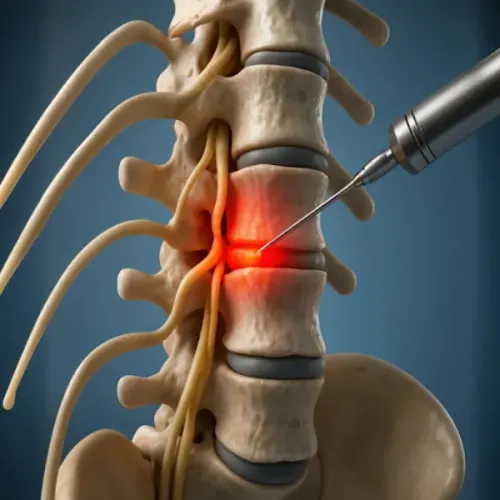
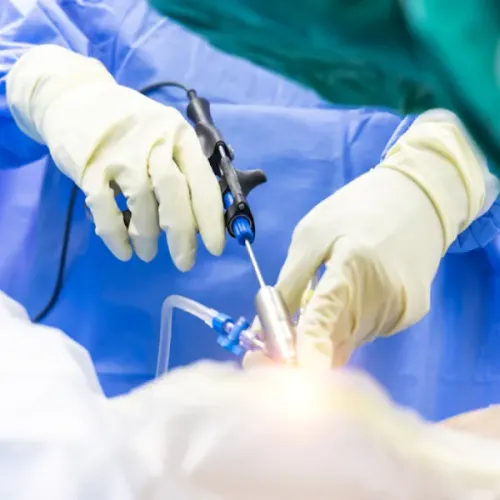
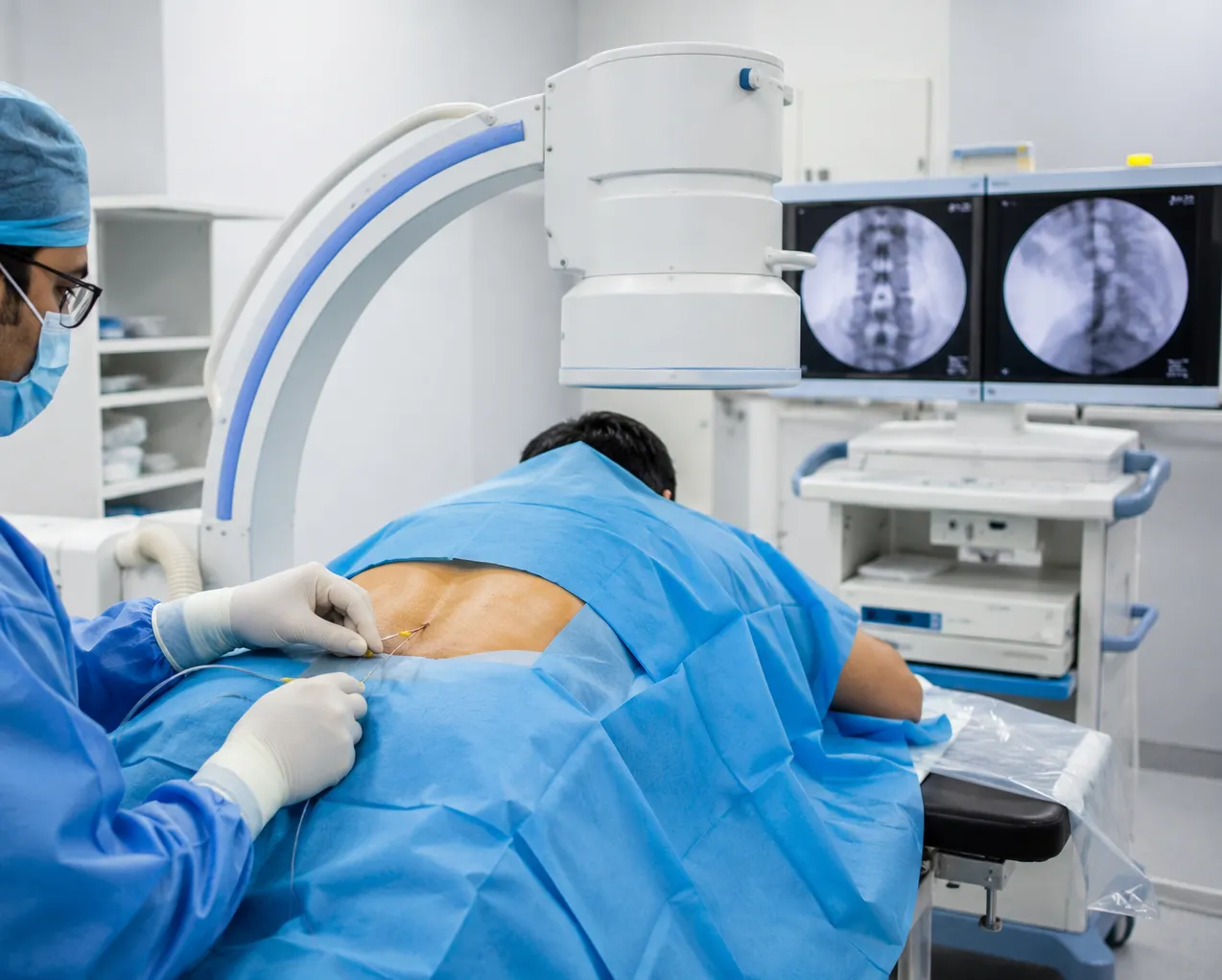
Epidural Neurolysis is a minimally invasive interventional pain management procedure designed to reduce pain caused by scar tissue around spinal nerves.
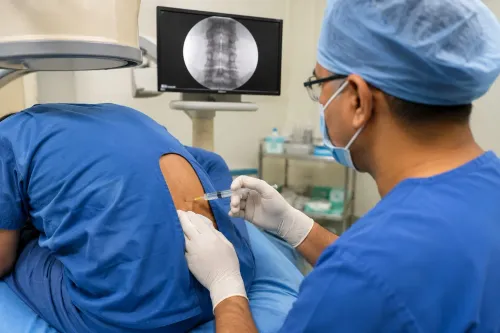
Using imaging guidance, a specialist carefully delivers medication and performs techniques intended to release adhesions that may be contributing to persistent nerve irritation.
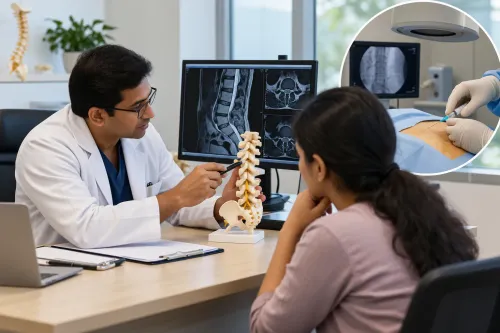
The procedure is performed only after detailed clinical evaluation and appropriate imaging.
Who May Be Considered for the Procedure?
Not every patient with back pain requires Epidural Neurolysis.
It may be considered for people experiencing:
- Persistent nerve pain after spine surgery
- Chronic sciatica
- Lumbar radiculopathy
- Cervical nerve pain
- Pain that has not improved with conservative treatment
- Symptoms linked to epidural fibrosis
A complete assessment helps determine whether the procedure is likely to be beneficial.
How Is the Procedure Different From an Epidural Injection?
Although both procedures involve the epidural space, their objectives are different.
An epidural injection primarily aims to reduce inflammation around irritated nerves.
Epidural Neurolysis focuses on addressing adhesions or scar tissue that may restrict nerve movement while also delivering medication to the affected area.
The choice depends entirely on the underlying diagnosis rather than symptom severity alone.
Evaluation Before Treatment
Doctors typically review several factors before recommending the procedure.
Assessment may include:
- Detailed symptom history
- Physical examination
- MRI findings
- Previous treatments
- Neurological evaluation
- Overall medical condition
This information helps identify the true source of pain.
Possible Benefits
When recommended for the right patient, potential benefits may include:
- Reduced nerve irritation
- Improved mobility
- Better participation in rehabilitation
- Reduced dependence on pain medication
- Improved daily function
Results vary according to the underlying spinal condition and individual healing response.
Recovery and Rehabilitation
Following the procedure, patients are usually encouraged to continue with a structured recovery plan.
This may involve:
- Physiotherapy
- Walking programmes
- Core strengthening
- Posture correction
- Regular follow-up visits
- Lifestyle modifications
These measures support long-term improvement beyond the procedure itself.
Choosing an Experienced Pain Management Team
Advanced interventional procedures require careful patient selection and image-guided precision. Rather than focusing on a single procedure, specialists evaluate whether it fits within a broader treatment strategy.
Patients seeking comprehensive assessment for chronic nerve-related pain may consult Spine and Pain Management Centre, where individualized treatment plans are developed after thorough clinical evaluation. With increasing awareness of advanced pain management across Dombivli, more patients are learning about minimally invasive options that may help improve function while reducing persistent spinal pain.
Keywords