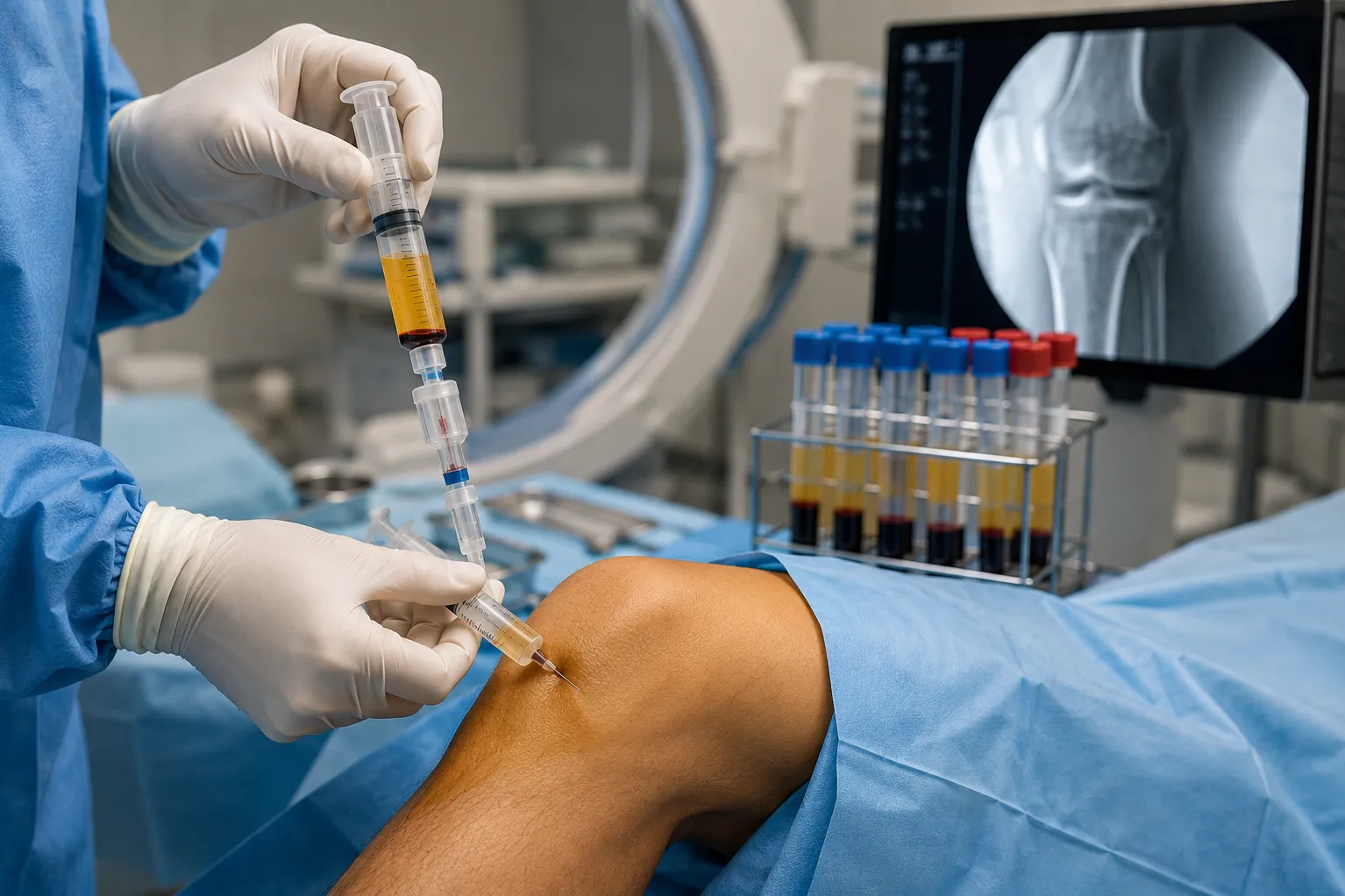
Joint degeneration and certain bone conditions can gradually limit mobility, making everyday activities increasingly challenging. While surgery remains necessary for some advanced cases, modern regenerative medicine has introduced new treatment approaches that aim to support the body's natural healing processes. One area receiving growing attention is Bone Marrow Concentrate therapy for carefully selected patients.
Individuals in Dombivli who are exploring non-surgical options for joint preservation often seek reliable information before discussing treatment with a specialist.
What Is Bone Marrow Concentrate?
Bone marrow naturally contains cells and biological components that contribute to tissue repair.
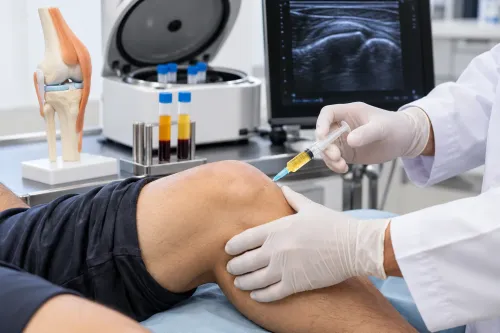
During Bone Marrow Concentrate therapy:
- Bone marrow is collected from the patient's own body.
- The sample is processed to concentrate beneficial components.
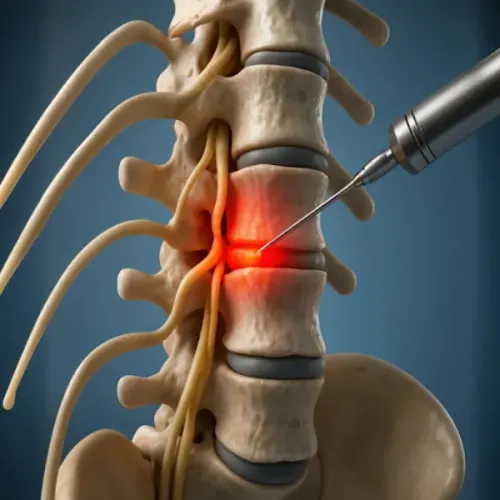
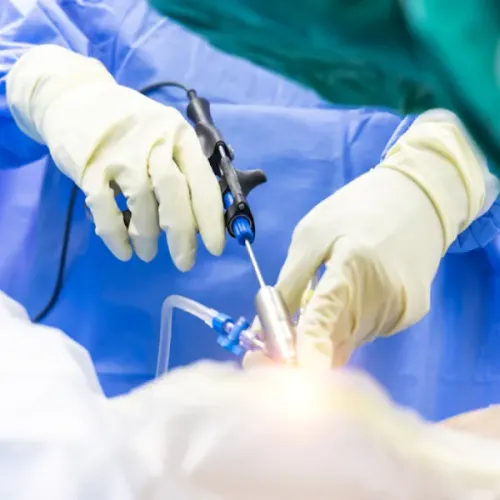
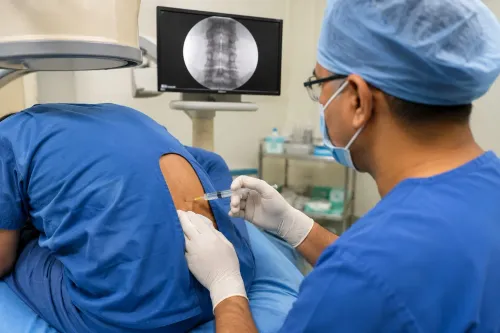
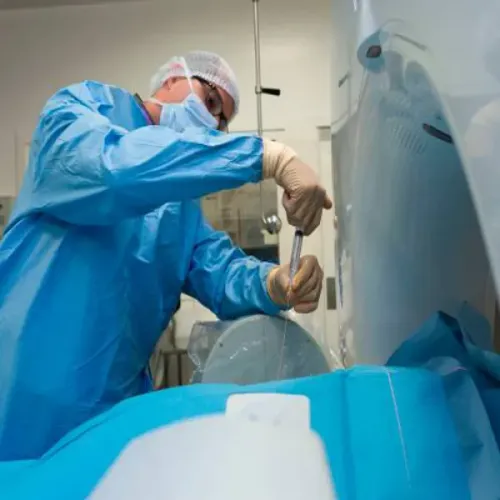
- The concentrate is delivered to the targeted area under image guidance when appropriate.
Because the material comes from the patient's own body, the procedure differs from treatments involving donor tissue.
Conditions Where It May Be Considered
Bone Marrow Concentrate is not suitable for every orthopedic condition.
Depending on medical evaluation, it may be considered for:
- Early joint degeneration
- Certain cartilage injuries
- Selected tendon disorders
- Some cases of AVN
- Chronic joint pain
- Sports-related injuries
Patient selection plays an important role in determining potential outcomes.
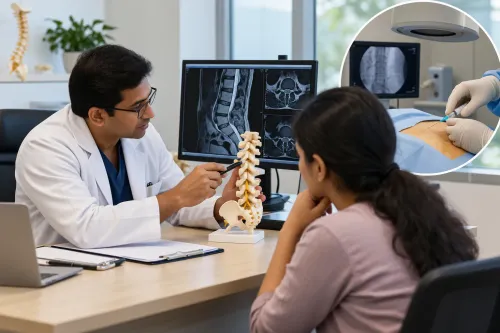
Why Detailed Evaluation Matters
Several factors influence whether regenerative procedures may be appropriate.
Doctors typically assess:
- Patient age
- Medical history
- Severity of joint damage
- Imaging findings
- Activity level
- Previous treatments
- Overall health
These factors help determine whether regenerative treatment or another approach is more appropriate.
Potential Advantages
For appropriately selected patients, potential benefits may include:
- Minimally invasive treatment
- Use of the patient's own biological material
- Reduced recovery time compared with major surgery
- Improved joint function
- Better participation in rehabilitation
Results vary depending on the underlying diagnosis and individual response.
Regenerative Treatment Still Requires Rehabilitation
Many people assume regenerative procedures alone solve the problem. In reality, rehabilitation remains an important part of recovery.
Patients are commonly advised to:
- Follow activity restrictions initially
- Complete physiotherapy
- Perform strengthening exercises
- Maintain healthy body weight
- Attend follow-up assessments
Recovery is usually gradual rather than immediate.
Making an Informed Decision
Every patient deserves a clear explanation of expected benefits, limitations, and available alternatives before choosing regenerative treatment.
Clinics experienced in interventional pain management, including Spine and Pain Management Centre, evaluate whether Bone Marrow Concentrate is appropriate based on individual clinical findings rather than offering a one-size-fits-all solution. As regenerative medicine continues to evolve, patients across Dombivli are increasingly seeking evidence-based guidance to understand how these treatments may fit into broader joint preservation strategies.
Keywords