Persistent back or leg pain can significantly affect work, sleep, and mobility. While many spinal conditions improve with medication, physiotherapy, and minimally invasive pain procedures, some patients continue to experience symptoms because of structural compression within the spine. In selected cases, Spine Endoscopy may be considered as a minimally invasive surgical option.
People in Dombivli often hear about endoscopic spine procedures but may not fully understand when they are recommended or how they differ from traditional surgery.
What Is Spine Endoscopy?
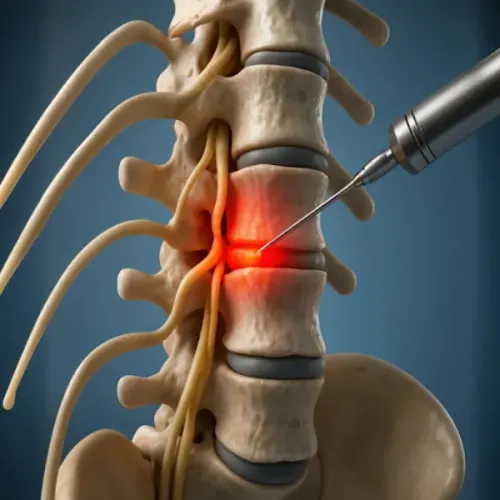
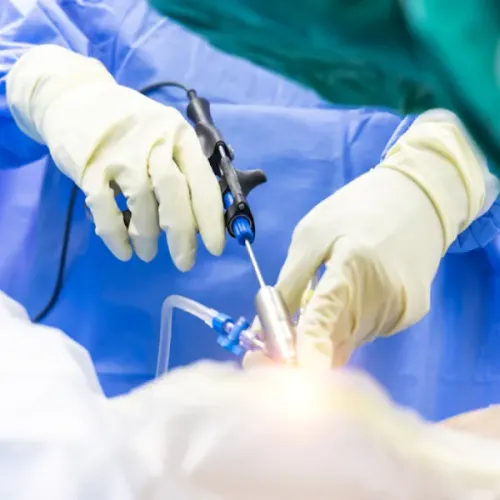
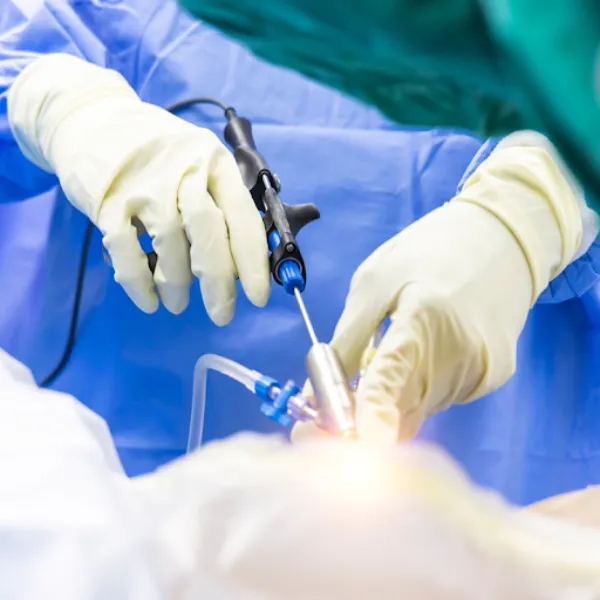
Spine endoscopy is a minimally invasive surgical technique that allows surgeons to access certain spinal conditions using specialized instruments and a small camera inserted through a tiny incision.
The objective is to treat the affected spinal structure while minimizing disruption to surrounding muscles and tissues whenever possible.
Conditions That May Be Suitable
Spine endoscopy is not appropriate for every spinal disorder. Patient selection is critical.
It may be considered for:
- Selected slipped discs
- Certain cases of sciatica
- Lumbar disc herniation
- Some spinal stenosis cases
- Persistent nerve compression
- Chronic leg pain caused by disc problems
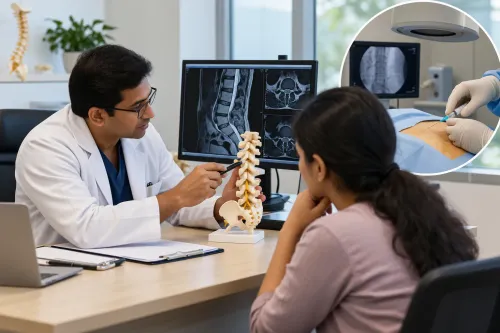
Clinical examination and imaging determine whether the procedure is appropriate.
How It Differs From Traditional Surgery
Although both approaches aim to relieve nerve compression, endoscopic techniques generally involve smaller access points.
Potential differences may include:
- Smaller incision
- Reduced muscle disruption
- Less blood loss
- Faster recovery in selected patients
- Earlier return to daily activities
However, traditional surgery remains the better option for certain complex spinal conditions.
Evaluation Before Surgery
A thorough assessment helps determine whether surgery is necessary.
Doctors typically review:
- Symptom history
- Physical examination
- MRI findings
- Previous treatments
- Neurological status
- Overall medical fitness
Many patients improve with conservative treatment and never require surgery.
Recovery Expectations
Recovery varies according to the procedure performed and the individual's health.
Most rehabilitation plans include:
- Early walking
- Activity modification
- Physiotherapy
- Gradual strengthening
- Regular follow-up visits
Following medical advice during recovery plays an important role in achieving successful outcomes.
Questions Worth Discussing
Patients considering spine endoscopy should ask about:
- Expected benefits
- Possible risks
- Alternative treatments
- Recovery timeline
- Rehabilitation requirements
- Long-term spine care
Open communication helps patients make informed decisions.
Specialists at Spine and Pain Management Centre assess whether Spine Endoscopy is appropriate only after careful clinical evaluation and imaging review. As advanced spine care becomes increasingly accessible in Dombivli, patients have more opportunities to understand minimally invasive treatment options alongside conservative pain management approaches
Keywords