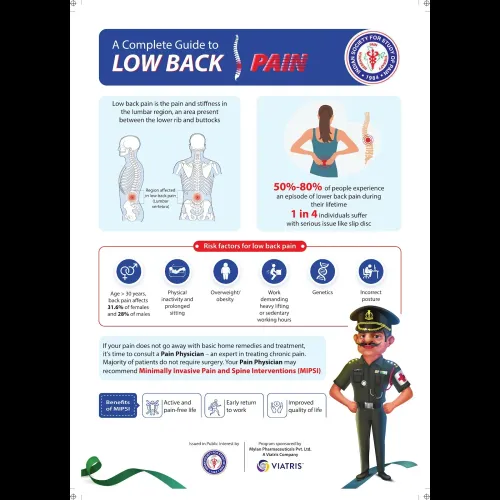

Backache is among the leading reasons people seek medical care, miss work, or reduce physical activity. It can affect individuals of all ages, from office professionals to manual workers and older adults. While occasional soreness after physical exertion is common, recurring or persistent back pain may indicate an underlying spinal condition that deserves proper evaluation.
As lifestyles become increasingly sedentary, more people in Kalyan are experiencing back-related problems associated with prolonged sitting, reduced exercise, and poor posture. Developing healthier movement habits can play an important role in protecting spinal health.
What Causes Backache?
The spine is supported by muscles, ligaments, discs, joints, and nerves that work together to provide strength and flexibility.
Common causes of backache include:
- Muscle strain
- Poor posture
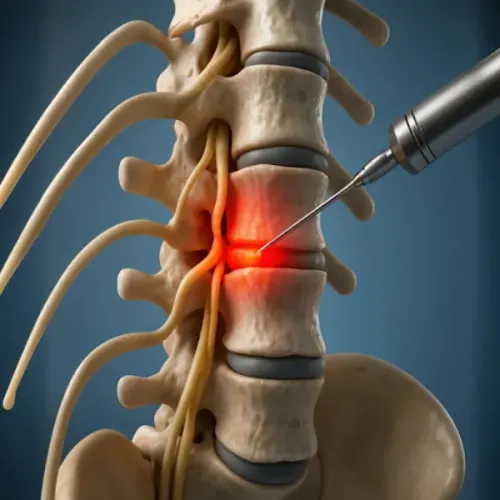
- Herniated discs
- Degenerative spine changes
- Sciatica
- Osteoarthritis
- Heavy lifting
- Weak core muscles
- Sedentary lifestyle
In many cases, multiple contributing factors exist simultaneously.
Symptoms That Suggest Medical Evaluation
Back pain varies widely depending on its cause.
Symptoms may include:
- Localized lower back pain
- Pain while bending
- Morning stiffness
- Pain after prolonged sitting
- Muscle spasms
- Pain extending into the legs
- Numbness
- Difficulty walking comfortably
Persistent symptoms lasting several weeks should be assessed rather than repeatedly self-managed.
Everyday Practices That Support Spine Health
Maintaining healthy spinal mechanics throughout the day reduces unnecessary stress on the back.
Simple habits include:
- Sit with adequate lumbar support.
- Lift objects using your legs instead of your back.
- Avoid prolonged sitting.
- Walk regularly.
- Stretch after long periods of inactivity.
- Maintain a healthy body weight.
- Wear supportive footwear when standing for long hours.
These practical measures often complement medical treatment.
The Importance of Core Strength
Strong abdominal and back muscles provide better support for the spine.
A balanced exercise programme may include:
- Core strengthening
- Flexibility exercises
- Walking
- Swimming
- Controlled stretching
- Balance training
Exercise programmes should match an individual's age, fitness level, and diagnosis.
When Imaging May Be Recommended
Not every patient with back pain requires advanced imaging. However, investigations may be necessary when symptoms persist or neurological signs develop.
Doctors may recommend:
- X-rays
- MRI
- CT scan in selected cases
- Nerve studies when indicated
These investigations help identify disc problems, fractures, arthritis, or nerve compression.
Non-Surgical Treatment Options
Many people improve without surgery when treatment begins early.
Management may include:
- Physiotherapy
- Medication
- Lifestyle guidance
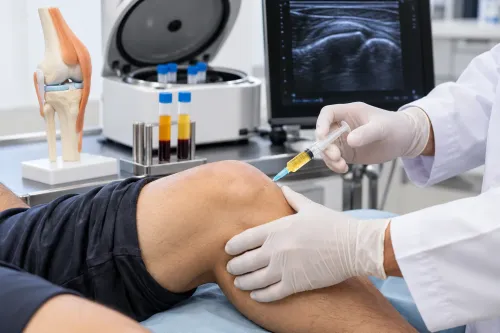
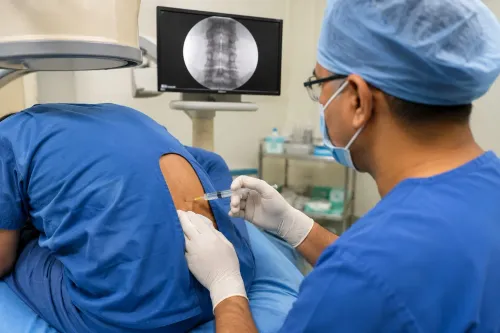
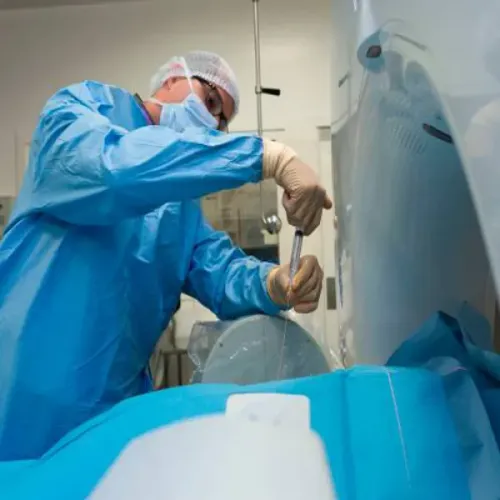
- Image-guided pain interventions
- Exercise rehabilitation
- Activity modification
The treatment approach depends on identifying the exact pain generator rather than treating symptoms alone.
Looking Beyond Temporary Relief
Painkillers may provide short-term comfort, but long-term improvement often depends on correcting the underlying issue. Education, regular exercise, posture correction, and timely medical assessment work together to improve outcomes.
People experiencing persistent back discomfort can seek evaluation from specialists such as those at Spine and Pain Management Centre, where personalized treatment plans focus on accurate diagnosis and evidence-based non-surgical care. As awareness of spine health grows throughout Kalyan, adopting preventive habits and addressing symptoms early can help maintain mobility and support a healthier, more active lifestyle.
Keywords