Persistent spinal pain can affect work, sleep, mobility, and overall quality of life. While medication, physiotherapy, and exercise help many people, some individuals continue to experience pain because inflammation around spinal nerves remains unresolved. In such situations, Epidural Injections may become part of a comprehensive non-surgical treatment plan.
Many patients in Kalyan hear about epidural injections but are unsure why they are recommended or what they involve. Understanding their purpose helps patients make informed healthcare decisions.
What Are Epidural Injections?
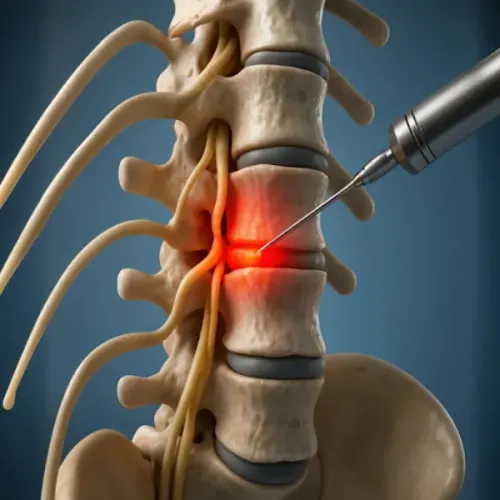
An epidural injection is a minimally invasive procedure in which medication is delivered into the epidural space surrounding the spinal nerves.
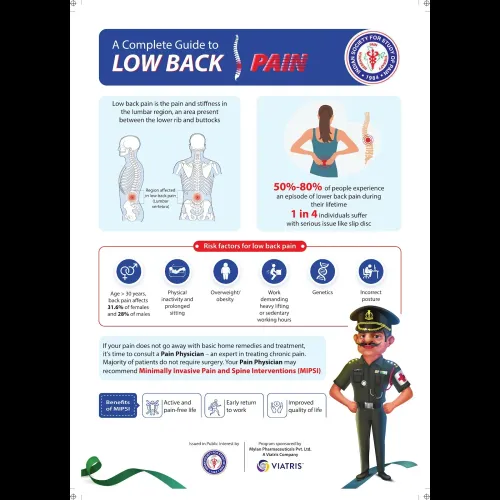
The goal is to reduce inflammation that contributes to pain caused by conditions such as:
- Herniated discs
- Lumbar radiculopathy
- Cervical radiculopathy
- Sciatica
- Spinal stenosis
- Degenerative spine disease
The procedure does not repair structural damage but aims to reduce pain and improve movement.
Who May Benefit?
Not everyone with back pain requires an epidural injection.
Doctors may consider the procedure for patients who:
- Continue experiencing severe pain despite conservative treatment
- Have nerve-related symptoms
- Experience pain radiating into the arms or legs
- Cannot participate effectively in rehabilitation due to pain
- Need symptom relief to improve daily function
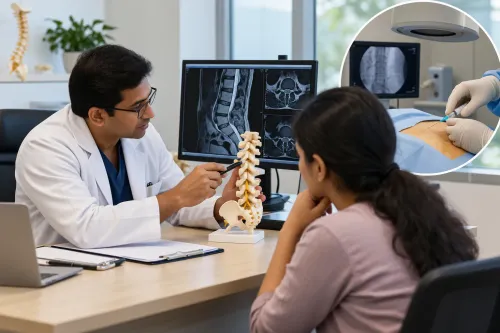
Suitability depends on medical history, examination findings, and imaging results.
How the Procedure Is Performed
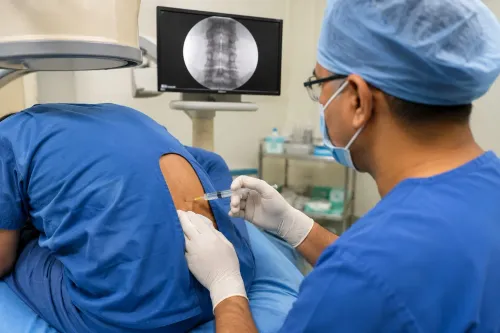
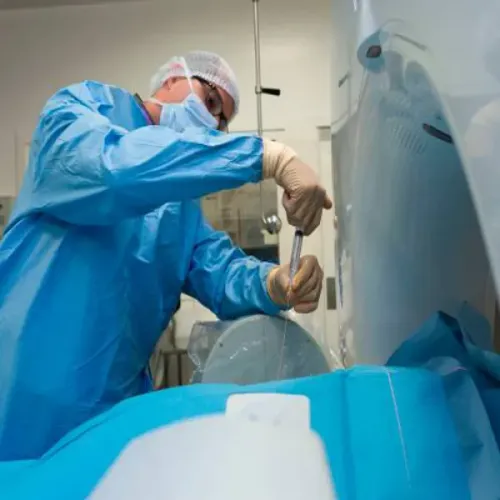
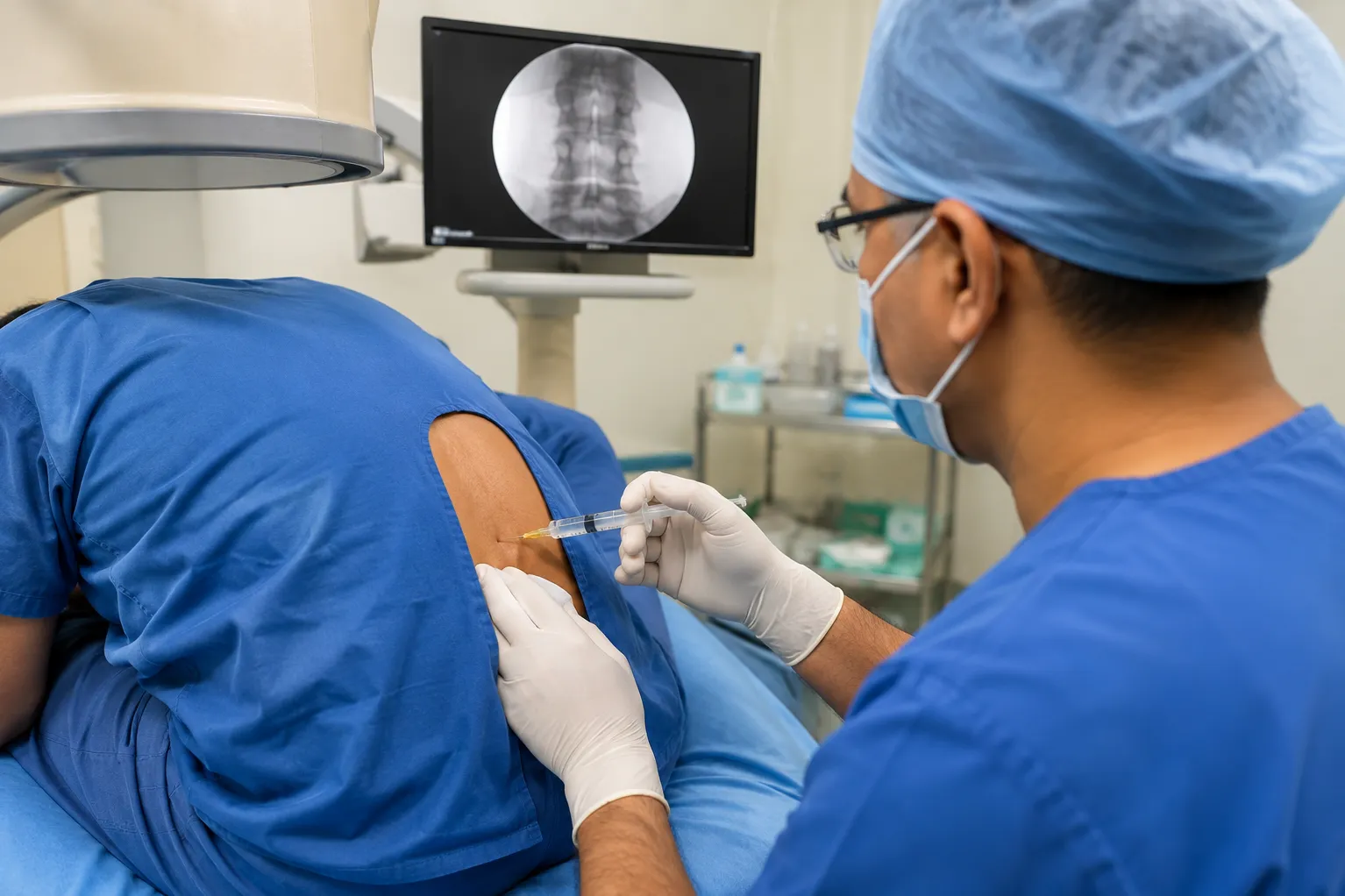
Modern epidural injections are commonly performed using imaging guidance to improve precision.
The procedure generally includes:
- Patient assessment
- Skin preparation
- Local anaesthesia
- Image-guided needle placement
- Medication delivery
- Observation before discharge
Most patients return home the same day.
Expected Benefits
Pain relief varies between individuals because underlying spinal conditions differ.
Possible benefits include:
- Reduced inflammation
- Improved mobility
- Better participation in physiotherapy
- Reduced dependence on pain medication
- Improved quality of life
The duration of relief depends on both the diagnosis and the body's response to treatment.
Are Epidural Injections Safe?
Like every medical procedure, epidural injections carry potential risks, although serious complications are uncommon when performed by experienced specialists.
Doctors discuss:
- Benefits
- Expected outcomes
- Possible side effects
- Medical precautions
- Alternative treatment options
Patients should always provide complete medical information before the procedure.
Part of a Larger Treatment Plan
An epidural injection is usually one component of comprehensive pain management.
Long-term improvement often includes:
- Exercise
- Posture correction
- Weight management
- Physiotherapy
- Activity modification
- Regular follow-up
Combining treatments often provides better outcomes than relying on injections alone.
Patients considering advanced non-surgical pain management may seek evaluation at Spine and Pain Management Centre, where treatment recommendations are based on individual diagnosis and clinical findings. As awareness of evidence-based spine care continues to grow in Kalyan, informed patients are increasingly exploring minimally invasive options that support recovery while avoiding unnecessary surgery whenever appropriate.
Keywords