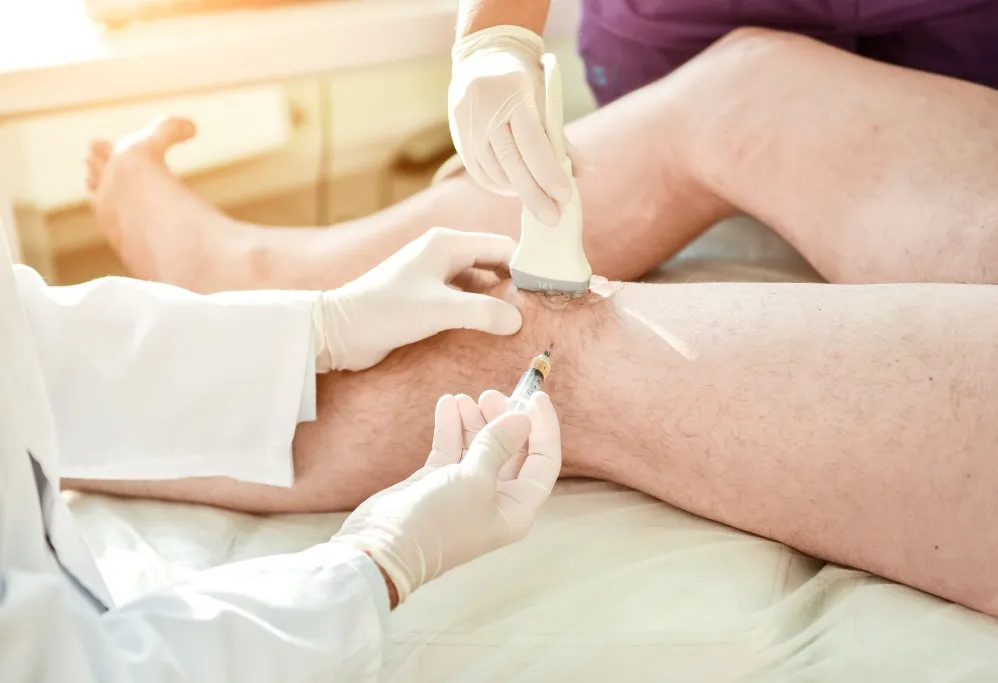
Living with persistent joint, tendon, or ligament pain can make even simple daily activities feel challenging. Many people begin with rest, medication, physiotherapy, or lifestyle changes and experience improvement. However, when symptoms continue despite these measures, patients often start exploring advanced non-surgical options. One treatment that has gained attention in regenerative medicine is the PRP Regenexx Protocol.
For individuals in Kalyan looking for alternatives before considering surgery, understanding how this treatment works and who may benefit from it is an important step.
What Is PRP Regenexx Protocol?
Platelet-Rich Plasma (PRP) uses a concentrated portion of a patient's own blood that contains platelets and naturally occurring growth factors. The Regenexx Protocol follows a structured regenerative approach designed to support healing in carefully selected musculoskeletal conditions.
Unlike treatments that simply reduce symptoms temporarily, PRP aims to support the body's biological repair response.
When Is PRP Considered?
Doctors may evaluate PRP for patients experiencing:
- Persistent tendon injuries
- Ligament damage
- Mild to moderate osteoarthritis
- Sports injuries
- Chronic joint pain
- Certain muscle injuries
The suitability of treatment depends on the diagnosis rather than the severity of pain alone.
How Does the Procedure Work?
Although individual treatment plans vary, the general process usually involves:
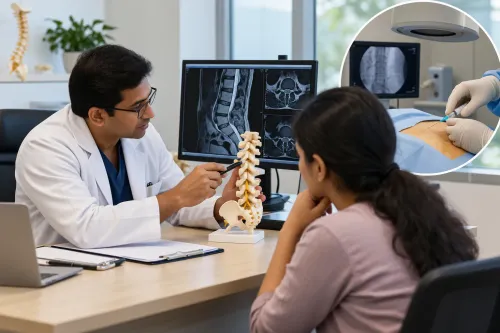
- Medical evaluation
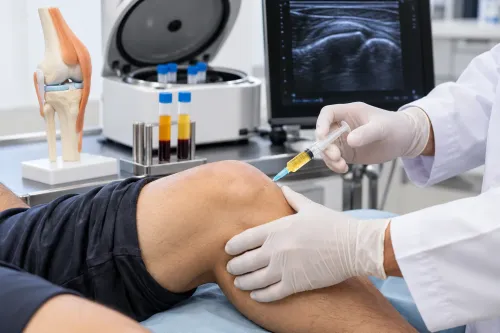
- Blood collection
- Preparation of concentrated platelet-rich plasma
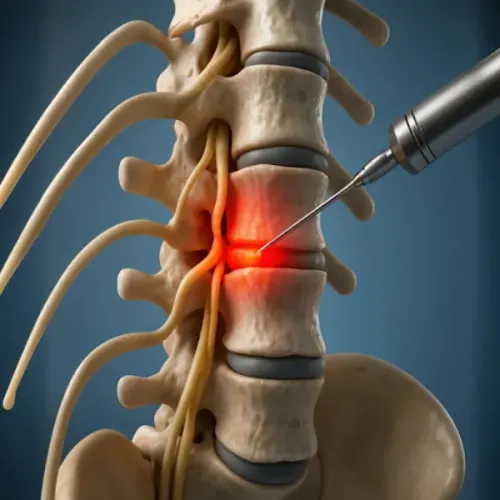
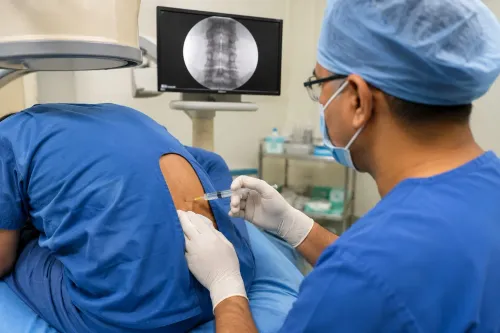
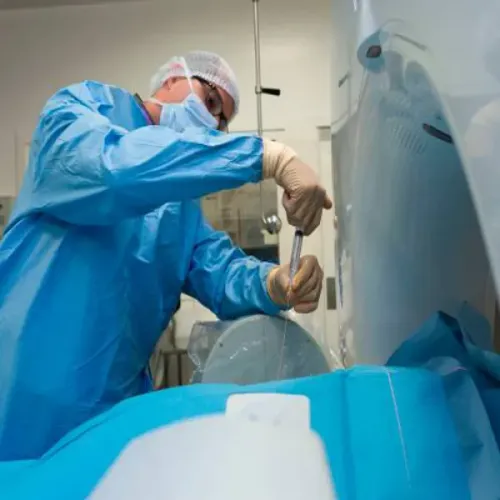
- Image-guided injection into the affected area
- Observation and recovery guidance
Because the treatment uses the patient's own blood, the likelihood of allergic reactions is generally low.
Benefits Compared with Symptom-Based Treatments
Patients often ask how regenerative therapy differs from conventional pain relief.
Potential advantages include:
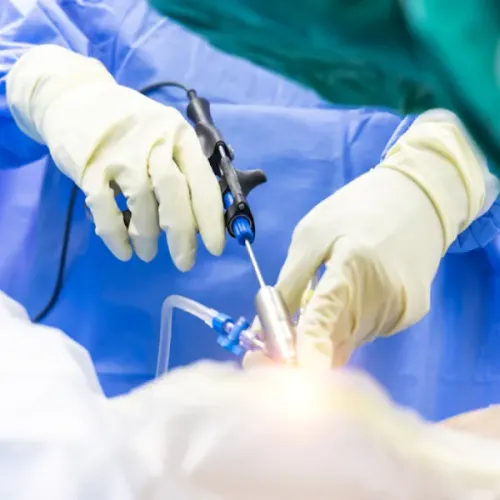
- Minimally invasive procedure
- Uses the patient's own biological material
- No major surgical incision
- May support tissue healing
- Shorter recovery compared with surgery
- Can complement rehabilitation
Expected outcomes vary depending on the condition being treated and the body's healing response.
What Happens After Treatment?
Recovery does not end after the injection. Rehabilitation remains an essential part of achieving the best possible outcome.
Patients may be advised to:
- Avoid strenuous activity for a short period
- Follow a structured exercise programme
- Attend follow-up reviews
- Continue physiotherapy if recommended
- Gradually return to normal activities
Improvement often occurs progressively over several weeks or months.
Questions to Ask Before Choosing PRP
Before deciding on regenerative treatment, patients should discuss:
- Whether the diagnosis is suitable for PRP
- Expected benefits
- Alternative treatment options
- Recovery timeline
- Rehabilitation requirements
- Long-term management plan
An informed discussion helps patients understand realistic expectations.
Clinics experienced in regenerative pain management, such as Spine and Pain Management Centre, evaluate each patient individually before recommending the PRP Regenexx Protocol. As interest in non-surgical orthopedic care continues to grow in Kalyan, careful assessment remains the foundation of selecting the most appropriate treatment approach.
Keywords