
Count headache days, not only the attacks that force you to stop what you are doing. A routine specialist appointment is appropriate when headaches keep returning, resist a sensible treatment plan, or require frequent medication; sudden or unusual symptoms need emergency care instead. By the end, you will know which threshold applies, what warning signs change the decision, and what information to take to an evaluation.
Key takeaways
- Seek emergency care for a sudden severe headache or new neurological symptoms.
- Discuss headaches on 15 or more days monthly with a specialist.
- Track headache days, symptoms, medicines, doses, and treatment responses.
- Frequent pain-medicine use can contribute to ongoing headaches.
When Do Headaches Become Frequent Enough for Specialist Assessment?
Count every headache day, not only the attacks you consider severe. Chronic migraine means headache on at least 15 days per month for more than three months, with migraine features on at least 8 days or a response to migraine-specific treatment.
Frequent Headaches below that threshold can still represent another chronic daily headache disorder, medication overuse, or a condition requiring assessment.
- Headaches recur weekly, become more frequent, or last longer than before.
- Pain disrupts sleep, work, driving, exercise, or usual activities.
- You need acute pain medicine on repeated days each month.
- A reasonable primary-care treatment plan has not helped.
- The diagnosis remains unclear, or headaches have different patterns.
- You need both attack treatment and prevention rather than repeated short-term relief.
Seek emergency care instead of waiting for a routine headache evaluation if the pain reaches maximum intensity within seconds to minutes, especially during a first or unusually severe headache. Also act urgently for new weakness or numbness, confusion, fainting, seizure, fever with a stiff neck, repeated vomiting, vision loss, or a headache after head injury.
A new headache during pregnancy or after delivery, after age 50, or with cancer, immune suppression, uncontrolled high blood pressure, or blood-thinner use also needs prompt medical assessment. A specialist referral does not require abnormal brain imaging; the history and neurological examination often guide the diagnosis.
Which Headache Warning Signs Require Emergency Care?
A thunderclap headache reaches maximum intensity within seconds to minutes. If it is your first or worst headache, seek emergency care immediately; bleeding around the brain and other vascular emergencies can begin as severe head pain alone. Do not wait for a routine headache evaluation.
| Warning sign | Why it matters | Action |
|---|---|---|
| Sudden severe pain, new weakness, numbness, confusion, fainting, or seizure | May indicate bleeding, stroke, or another acute brain problem | Go to an emergency department now |
| Fever with a stiff neck, repeated vomiting, or a painful red eye | May signal infection, dangerously raised eye pressure, or raised pressure in the skull | Get urgent assessment |
| New visual loss or a headache after head injury | May reflect injury, bleeding, or pressure affecting the visual pathways | Seek emergency care |
| New headache during pregnancy or after delivery | Pregnancy-related blood-pressure and clotting complications need rapid exclusion | Contact emergency services or attend an emergency department |
| A first headache after age 50, or headache with cancer, immune suppression, uncontrolled high blood pressure, or blood-thinner use | These circumstances lower the threshold for investigation | Arrange same-day medical assessment |
A new, continuous headache that began abruptly and remains daily needs prompt medical review before anyone labels the persistent head pain as new daily persistent headache. Emergency symptoms take priority over arranging a specialist appointment.
What Can the Headache Pattern Tell You—and What Can It Not Prove?
A headache pattern can narrow the possibilities, but it cannot prove the diagnosis. The location, duration, triggers, and accompanying symptoms guide an examination; they do not replace one.
- Migraine often causes throbbing or pulsating pain, nausea, light or sound sensitivity, and worsening with ordinary activity. Nasal congestion, facial pressure, or watery eyes can occur during migraine, so “sinus headache” symptoms do not establish sinus disease.
- Tension-type headache usually feels like steady pressure or a tight band on both sides of the head, without prominent nausea. A different pattern, increasing frequency, or substantial disability deserves review rather than self-diagnosis.
- New daily persistent headache begins on a clearly remembered day and remains continuous from onset. A specialist must exclude secondary causes before labeling Persistent Head Pain as this condition.
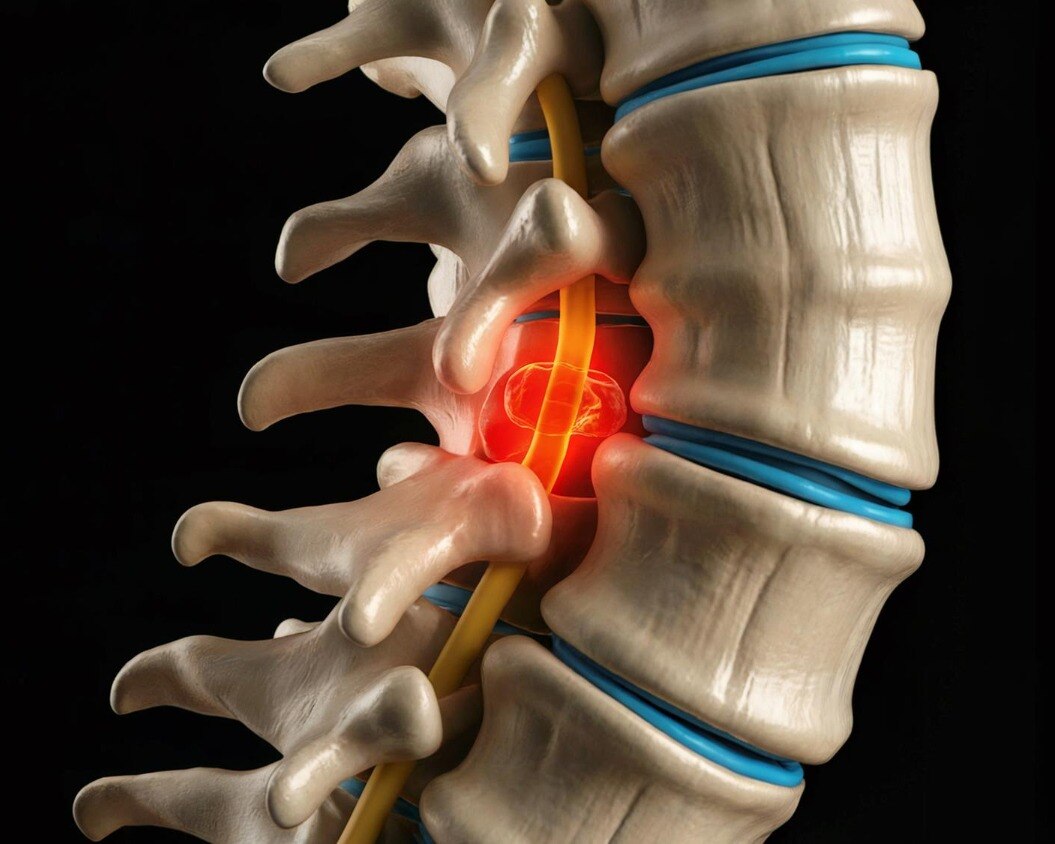
- Neck pain or pain triggered by neck movement can support a cervicogenic pattern. Abnormal cervical imaging alone does not prove that the neck caused the headache; the timing, provocation, and response to treatment must fit.
Dehydration can trigger or worsen headache, but drinking water and improving briefly do not identify the underlying disorder. Likewise, sinus symptoms and neck findings need clinical context, including a neurologic and physical examination. Headache treatment should target the established pattern, not an assumed cause; routine brain imaging confirms neither ordinary migraine nor a neck diagnosis.
Could Frequent Pain-Medicine Use Be Maintaining the Headaches?
Using acute medicine on many days can keep Frequent Headaches going, even when each dose briefly helps. Medication-overuse headache is considered when headache occurs on at least 15 days a month and acute medicine is used regularly for more than three months. You may have both an underlying migraine disorder and medication-overuse headache.
The usual monthly overuse thresholds are:
- 10 or more days for triptans, opioids, ergot derivatives, or combination analgesics
- 15 or more days for paracetamol or acetaminophen, aspirin, NSAIDs, or other non-opioid painkillers
Crossing a threshold does not prove that medication is the cause, and stopping suddenly without guidance is not suitable for every medicine or person. Opioids are a poor routine choice for migraine because they can promote overuse and dependence; NICE recommends not offering them for acute migraine treatment.
Do not let repeated rescue doses replace diagnostic assessment.
Effective headache treatment often combines an acute plan for individual attacks with prevention when headaches are frequent. A specialist can review medicine interactions, contraindications, withdrawal needs, and realistic goals, then help reduce or stop the overused medicine while treating the underlying disorder.
A daily diary recording headache days, medicine-use days, and disability can show whether this pattern is present.
How Should You Prepare for a Specialist Headache Evaluation?
A useful Headache Evaluation starts with a four-week diary, not a list of your worst attacks. Record each headache’s start time, speed of onset, duration, location, severity, associated nausea or visual symptoms, possible triggers, menstrual or pregnancy relationship, caffeine or other substance use, and whether pain affected work, sleep, or normal activity.
1. Record every acute medicine, including the name, dose, and each day you use it. Note preventive medicines, missed doses, and the relief they provide; this can reveal medication overuse that is hidden when you remember only severe episodes.
2. Bring the diary, medicine list, previous reports, and a clear description of your first headache. The specialist reviews the pattern, medical history, medication risks, and neurologic examination. A sudden daily headache that never stops from its first day may suggest new daily persistent headache, but secondary causes must be excluded first.
3. Ask what the Headache treatment plan is meant to achieve. Migraine care often combines an acute treatment with prevention, especially when attacks are frequent, disabling, or resistant to a reasonable plan.
Imaging is not automatically needed for a typical, stable headache with a normal neurologic examination. MRI or other testing becomes more useful when the headache is new, progressive, persistent from onset, atypical, or accompanied by abnormal examination findings or other warning features.
In Kalyan, Spine And Pain Management Centre can provide an outpatient review of the diary, medicines, examination findings, and neck symptoms, helping decide whether treatment, imaging, or referral is the appropriate next step.
Related service
Pain Treatment ₹700 Frequent or severe headaches can interfere with daily life, work performance, and overall well-being. View service → |
Frequently asked questions
How frequent do headaches need to be before specialist assessment?
Arrange a specialist assessment when headaches occur regularly, interfere with work or sleep, keep returning despite treatment, or reach 15 or more days per month for more than three months.
Which headache symptoms require emergency care?
Seek emergency care for a sudden, extremely severe headache, new weakness or numbness, trouble speaking, confusion, fainting, a seizure, vision loss, fever with a stiff neck, or a headache after a significant head injury.
Can a headache pattern diagnose the cause?
The timing, location, duration, triggers, associated symptoms, and response to treatment help guide evaluation, but a pattern alone cannot prove the diagnosis or rule out serious causes.
Can frequent pain-medicine use maintain headaches?
Yes. Repeated use of acute headache medicines can contribute to medication-overuse headache. Tell the specialist the medicine name, dose, number of days used, and monthly frequency.
What should you bring to a headache evaluation?
Bring a headache diary, medicine list with doses and dates, relevant medical records or scans, a list of symptoms and triggers, and details about sleep, caffeine, menstrual cycles, and previous treatments.
Keywords