
Pain when you raise, rotate, push, or pull with your arm can come from a tendon, bursa, joint, nerve, bone, or a problem outside the shoulder itself. By the end, you will know which symptoms help separate these causes, what a clinician checks, when imaging is useful, and which findings require prompt medical attention.
Key takeaways
- Outer-arm pain often involves the rotator cuff, bursa, or impingement.
- Top-of-shoulder pain commonly points to the acromioclavicular joint.
- Neck, chest, and diaphragm problems can mimic Shoulder Joint Pain.
- Scans help when examination findings suggest a tear, arthritis, or another serious cause.
Which conditions cause pain when you move your arm?
Pain when you move your arm can come from the shoulder, neck, chest, or diaphragm. Shoulder Movement Pain over the outer upper arm commonly reflects rotator cuff tendinopathy or tear, subacromial bursitis, or shoulder impingement. Pain at the top of the shoulder points more toward acromioclavicular joint disease.
| Condition | Typical clue |
|---|---|
| Rotator cuff tendinopathy or tear | Active movement hurts or weakens, while passive movement remains relatively preserved |
| Adhesive capsulitis | Both active and passive movement become restricted, especially reaching behind your back |
| Glenohumeral osteoarthritis | Deep Shoulder Joint Pain, stiffness, and reduced active and passive movement |
| Instability or labral injury | Slipping, catching, clicking, or pain during pushing, pulling, or sudden movement |
| Fracture or infection | Severe pain with injury, deformity, swelling, fever, or inability to use the arm |
Pain inhibition can also limit active movement without a major tear. Restriction of both active and passive movement points more toward frozen shoulder or arthritis. Rest or night pain occurs with inflammation, tendon disease, arthritis, or another significant condition, but it does not identify one diagnosis alone.
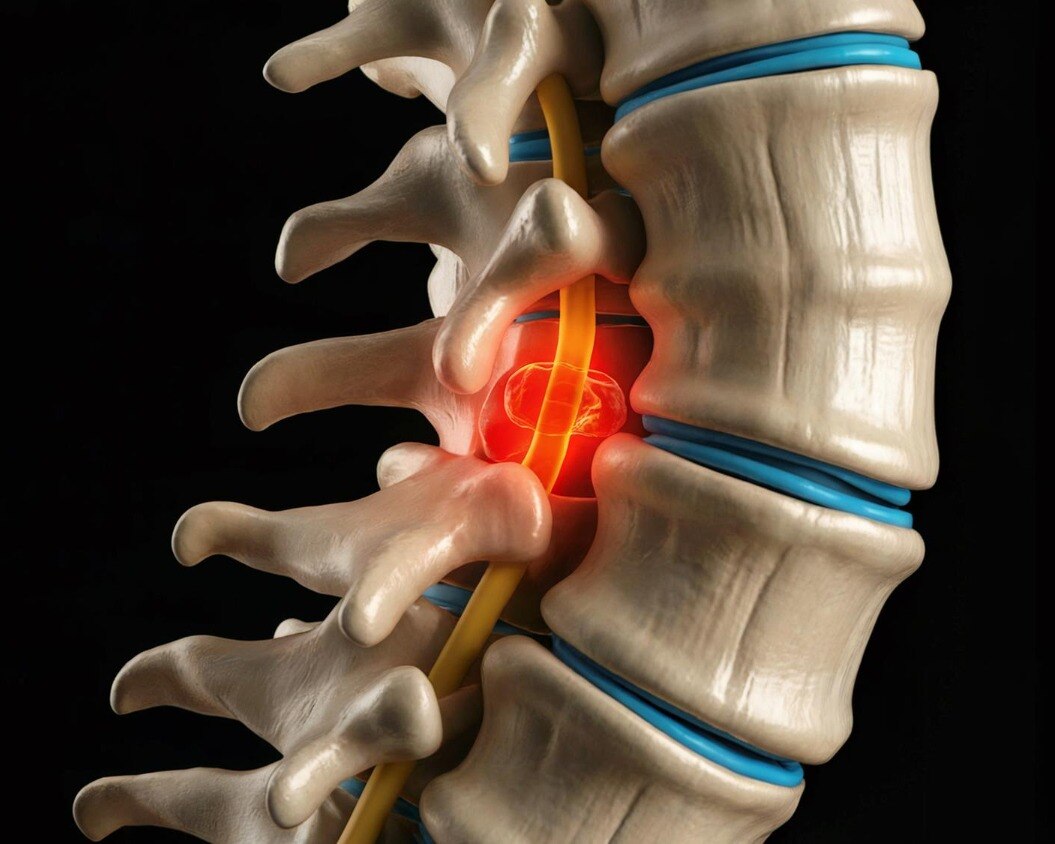
Pain extending below the elbow, particularly with numbness or tingling, raises concern for neck nerve irritation or cervical radiculopathy rather than primary shoulder disease. Chest or lung disease, heart-related pain, and diaphragmatic irritation can also be felt near the shoulder, so Shoulder Joint Pain is not always generated inside the joint.
What do different arm movements reveal about the painful structure?
Overhead reaching or lifting the arm away from your body can compress or load the rotator cuff and subacromial bursa, reproducing Shoulder Movement Pain from several disorders rather than one diagnosis.
| Movement | Clue it provides |
|---|---|
| Overhead reach or arm elevation | Rotator-cuff or subacromial pain, especially if symptoms occur through the middle of the lift |
| Reach behind the back | Limited motion or capsule pain in adhesive capsulitis, glenohumeral arthritis, or other shoulder-capsule problems |
| Cross-body reach | Pain near the top of the shoulder raises suspicion of acromioclavicular joint irritation |
| Internal or external rotation | Assesses rotator-cuff function and the glenohumeral joint |
| Pushing or pulling | Can load tendons, the labrum, an unstable shoulder, or the acromioclavicular joint |
Active movement shows what you can do using your muscles; passive movement shows how far the joint moves when the examiner assists. Poor active motion with relatively preserved passive motion suggests weakness or pain inhibition, while restriction of both points more toward adhesive capsulitis or arthritis.
A painful arc through the mid-range is not specific: subacromial and rotator-cuff disorders can cause it, but so can other problems. During a Shoulder Pain Evaluation, clinicians combine motion, strength, tenderness, and other findings instead of treating one test as proof.
Pain with movement differs from pain at rest or at night. Weakness, numbness, tingling, or a sensation that the shoulder will slip adds clues about tendon failure, nerve involvement, or instability.
What happens during a Shoulder Pain Evaluation?
The clinician begins by building a timeline before examining the shoulder.
1. History: Record the exact pain location, onset, duration, injury mechanism, overhead or repetitive activity, night symptoms, work limitations, weakness, stiffness, clicking, catching, instability, numbness, tingling, fever, and previous treatment.
2. Shoulder examination: Compare the painful shoulder with the unaffected side. Check posture, swelling, bruising, muscle wasting, tenderness, shoulder-blade movement, active and passive range of motion, strength, and pain during resisted movement. Side-to-side comparison reveals lost motion, weakness, asymmetry, or a new injury more reliably than one isolated normal or abnormal finding.
3. Neck and nerves: Examine neck movement, sensation, reflexes, and muscle strength. Neck movement that reproduces symptoms, reduced reflexes, dermatomal sensory changes, or myotomal weakness can shift attention from primary Shoulder Joint Pain to cervical radiculopathy.
| Finding | What it may suggest |
|---|---|
| Markedly limited active motion with preserved passive motion | Weakness or pain inhibition, including rotator-cuff disease |
| Limited active and passive motion | Adhesive capsulitis or glenohumeral arthritis |
| Reduced reflexes, dermatomal sensory change, or myotomal weakness | Cervical nerve-root involvement |
| Pain extending below the elbow with numbness or tingling | Cervical radiculopathy rather than isolated shoulder disease |
4. Interpretation: Clinicians combine the history, side-to-side examination, and nerve findings. A painful arc or one positive provocative test does not establish a diagnosis; the complete pattern does.
Which scans are useful, and when are they unnecessary?
Imaging is guided by examination findings, not by Shoulder Joint Pain alone. During a Shoulder Pain Evaluation, painful active movement with preserved passive movement can suggest rotator-cuff disease, while global restriction, deformity, fever, or marked weakness changes the urgency and test chosen.
| Test | Question answered | When it helps |
|---|---|---|
| Plain X-rays | Fracture, dislocation, osteoarthritis, acromioclavicular-joint change, or calcific deposits | Trauma, suspected arthritis, focal top-of-shoulder pain, or suspected calcific tendinopathy |
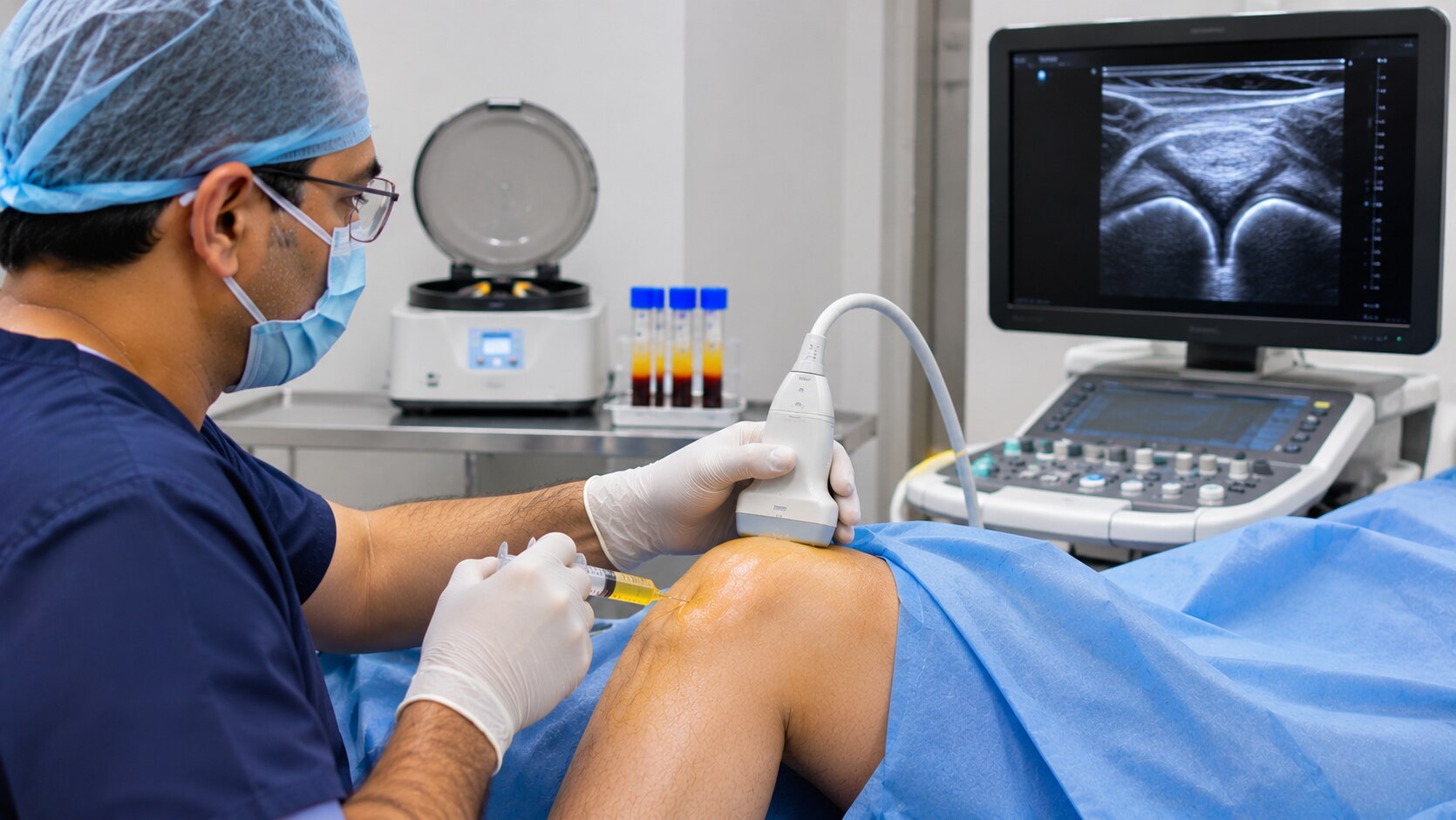
| Ultrasound | Rotator-cuff tendons and subacromial bursa, including movement | Suspected tendon tear or bursitis; it allows dynamic assessment |
| MRI | Tendons, labrum, cartilage, bone marrow, and deeper soft tissues | History and examination justify detailed assessment, or symptoms persist despite appropriate care |
X-rays do not directly show most rotator-cuff tendons or labral injuries. Ultrasound and MRI can show cuff abnormalities, but age-related partial or full-thickness changes may cause no pain; match every image to the symptom pattern and physical findings.
Many atraumatic cases need no immediate advanced scan when there is no evidence of fracture, infection, major traumatic tendon rupture, or another urgent problem.
Seek urgent assessment for deformity or inability to use the arm after major trauma, a hot red swollen joint with fever, rapidly worsening weakness, unexplained weight loss or cancer history, or chest pressure with breathlessness, sweating, or nausea.
How is the cause used to choose Shoulder Pain treatment?
The suspected pain generator determines Shoulder Pain treatment; there is no single remedy for every cause. Rotator cuff-related problems often start with activity modification and progressive rehabilitation targeting shoulder elevation, rotation, scapular control, strength, and function. Prolonged immobilisation can increase stiffness, particularly when adhesive capsulitis is developing.
| Assessment finding | Treatment direction | Injection location if appropriate |
|---|---|---|
| Rotator cuff or subacromial pain | Exercise, load adjustment, and rehabilitation | Subacromial space |
| Glenohumeral arthritis or capsular pain | Mobility work, strengthening, and joint-focused care | Glenohumeral joint |
| Acromioclavicular joint pain | Activity modification and targeted rehabilitation | Acromioclavicular joint |
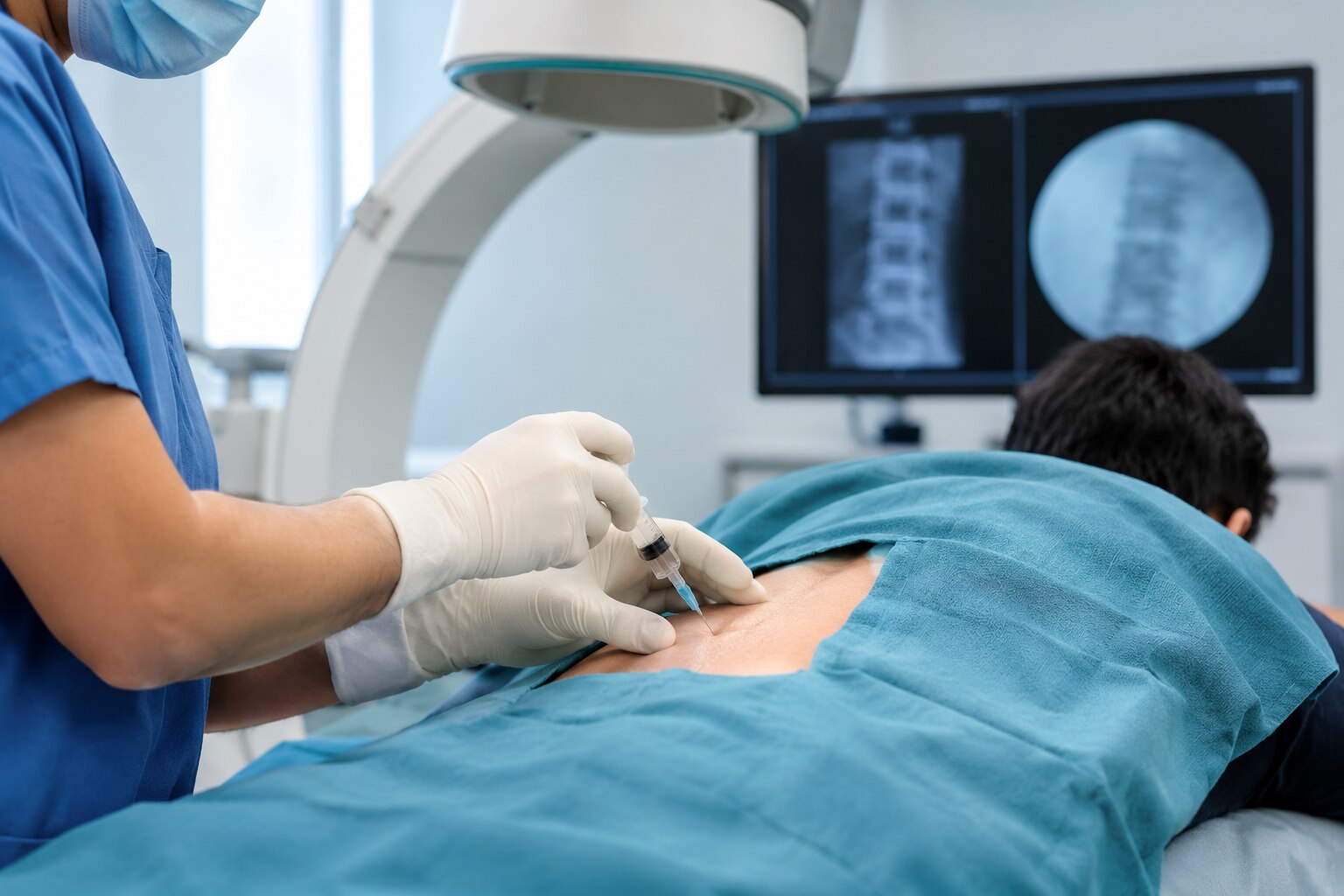
A corticosteroid injection may reduce pain for a short period and help you participate in rehabilitation, but it does not repair or heal a tendon. Repeated or closely spaced injections increase concerns about skin or fat atrophy, temporary glucose elevation, infection, and possible effects on tendon or surgical healing.
Platelet-rich plasma and autologous cell injections have diagnosis-specific, non-standardised evidence rather than a proven cure for all shoulder disorders. Discuss uncertain benefit, cost, alternatives, and potential harms before choosing them. A temporary injection response can support a clinical hypothesis but does not prove that one structure causes all the pain.
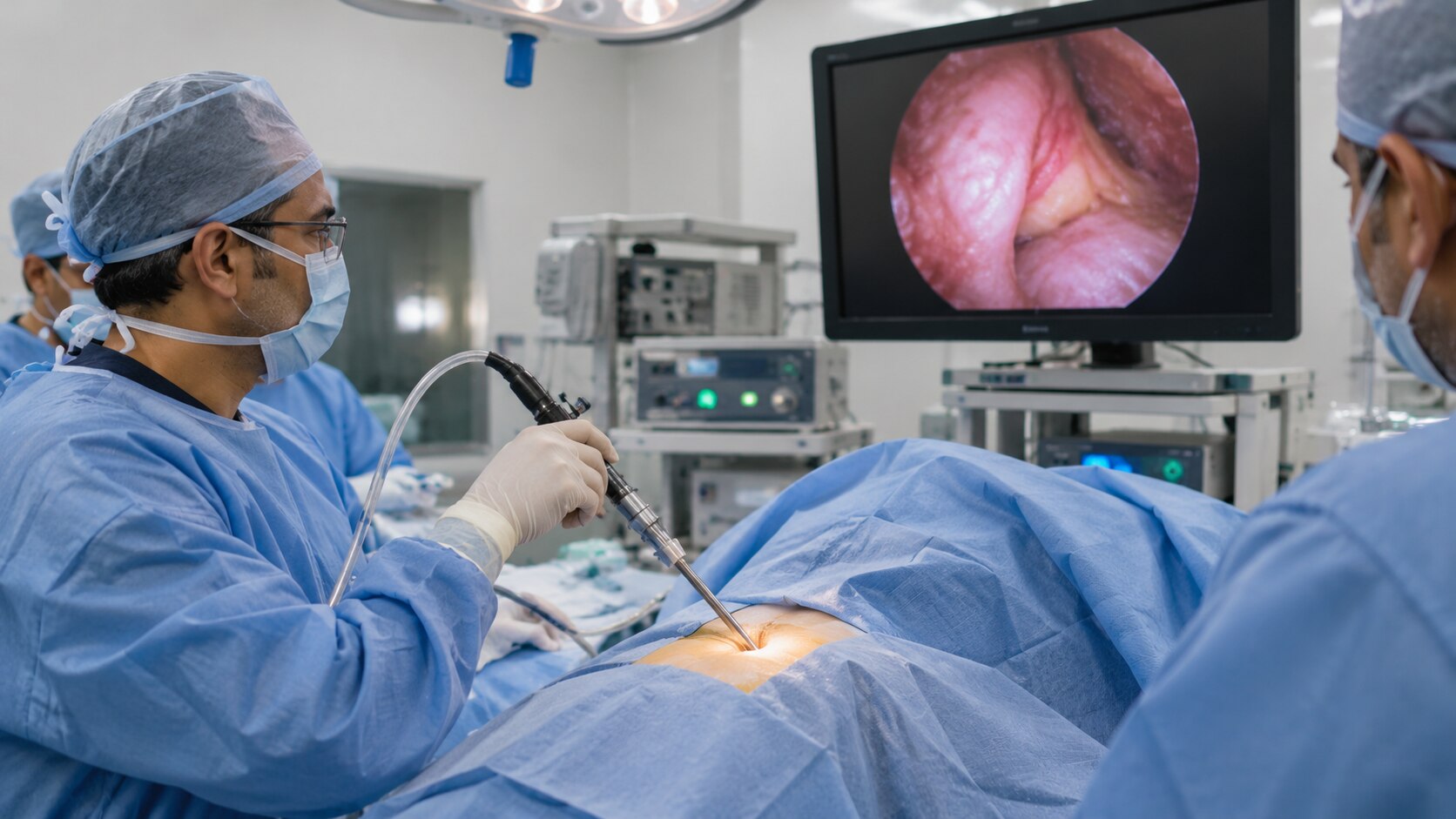
After a structured examination, Spine And Pain Management Centre can help you consider non-surgical or minimally invasive options alongside rehabilitation. Deformity, fever with a hot swollen joint, rapidly worsening weakness, major trauma, or chest pressure with breathlessness requires prompt medical assessment, not routine pain treatment.
Related service
Pain Treatment ₹700 Shoulder pain can limit daily activities such as lifting, reaching, and sleeping comfortably. At Spine and Pain Management Centre in Kalyan, Dr. View service → |
Frequently asked questions
Which conditions cause pain when you move your arm?
Rotator cuff tendinopathy or tear, subacromial bursitis, shoulder impingement, and acromioclavicular joint disease can cause movement-related pain. Pain can also come from the neck, chest, or diaphragm.
What do different arm movements reveal about the painful structure?
Pain when lifting the arm overhead often involves the rotator cuff or subacromial tissues. Pain at the top of the shoulder points toward the acromioclavicular joint, while neck movement or nerve symptoms suggest a cervical source.
What happens during a Shoulder Pain Evaluation?
The clinician reviews your symptoms, injury history, pain location, weakness, and nerve symptoms, then checks range of motion, strength, tenderness, posture, and neck function.
Which scans are useful for shoulder pain?
X-rays assess fractures, arthritis, bone spurs, and joint space. Ultrasound can show rotator cuff tendons and fluid during movement. MRI evaluates tendons, cartilage, labrum, and other soft tissues when examination findings justify it.
How is the cause used to choose Shoulder Pain treatment?
Treatment depends on the structure involved and the severity. Options can include activity changes, targeted physiotherapy, medicines, injections, or minimally invasive procedures; significant tears, fractures, or persistent disability need specialist review.
Keywords