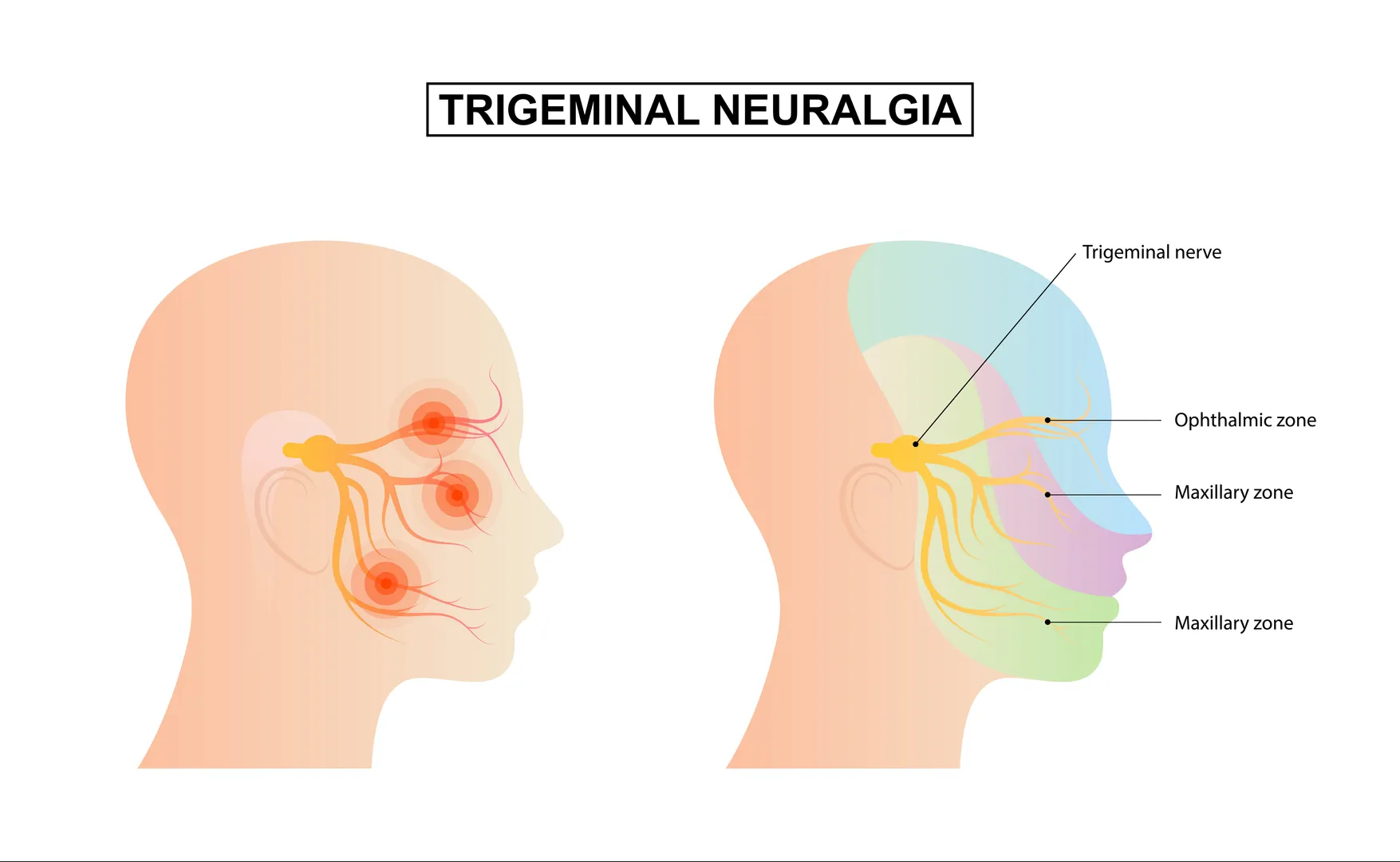
A sudden, sharp pain on one side of the face can be alarming, especially when it occurs during simple activities like brushing your teeth, eating, or speaking. While dental problems are often the first suspected cause, recurring episodes of intense facial pain may actually be a sign of Trigeminal Neuralgia. This condition affects the trigeminal nerve, which is responsible for carrying sensation from the face to the brain.
Because the pain can be severe yet brief, many people spend months visiting different specialists before receiving the correct diagnosis. Learning about the condition can help you recognize its symptoms early and seek appropriate medical care.
What Is Trigeminal Neuralgia?
The trigeminal nerve is one of the largest nerves in the head and has three branches that provide sensation to the forehead, cheeks, jaw, lips, teeth, and parts of the scalp. Trigeminal Neuralgia occurs when this nerve becomes compressed, irritated, or damaged, resulting in episodes of sudden and severe facial pain.
The condition usually affects one side of the face and is more commonly seen in adults over the age of 50. However, younger individuals can also develop it due to certain neurological conditions or injuries.
What Does the Pain Feel Like?
People with Trigeminal Neuralgia often describe the pain as one of the most intense forms of nerve pain.
Common descriptions include:
- Electric shock-like pain
- Sharp stabbing sensation
- Sudden burning pain
- Repeated painful attacks lasting a few seconds or minutes
- Pain occurring several times a day
The attacks may stop for weeks or months before returning, while some individuals experience frequent episodes every day.
Everyday Activities That Can Trigger Pain
One of the unique features of Trigeminal Neuralgia is that routine daily activities can trigger painful episodes.
Common triggers include:
- Brushing teeth
- Washing the face
- Eating or chewing
- Talking
- Smiling
- Shaving
- Applying makeup
- Exposure to cold wind
Because of these triggers, some people begin avoiding normal activities, which can affect nutrition, hygiene, and overall quality of life.
What Causes Trigeminal Neuralgia?
Several factors may contribute to irritation of the trigeminal nerve.
The most common causes include:
- Compression by a nearby blood vessel
- Age-related changes around the nerve
- Multiple sclerosis
- Facial trauma
- Tumours affecting the nerve
- Previous facial surgery in rare cases
Sometimes, no specific cause is identified despite detailed medical evaluation.
How Is It Diagnosed?
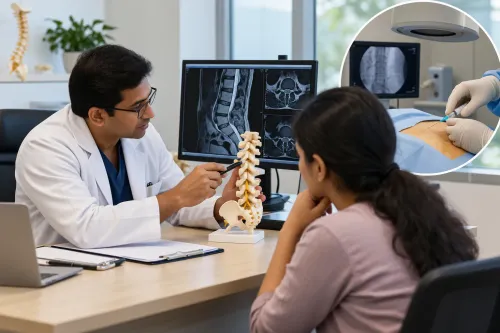
There is no single blood test that confirms Trigeminal Neuralgia. Diagnosis is primarily based on the patient's description of pain, medical history, and neurological examination.
To rule out other conditions, doctors may recommend:
- MRI scan of the brain
- Neurological examination
- Assessment of facial sensation
- Review of dental history
- Evaluation for other causes of facial pain
An accurate diagnosis is essential because many dental, sinus, and jaw disorders can produce symptoms that resemble nerve pain.
Treatment Options
Treatment focuses on reducing the frequency and intensity of painful attacks while improving daily function.
Depending on the severity of symptoms, treatment may include:
- Medications that help control nerve pain
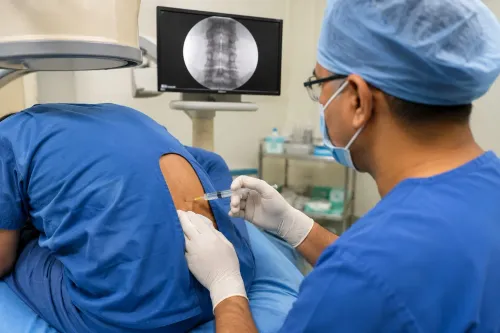
- Image-guided nerve blocks
- Radiofrequency ablation for selected patients
- Surgical procedures when conservative treatment is unsuccessful
- Regular follow-up to monitor symptom control
The treatment plan is always individualised according to the patient's symptoms, age, overall health, and response to medication.
When Should You Seek Medical Advice?
Occasional facial discomfort may not always indicate Trigeminal Neuralgia. However, medical evaluation is recommended if you experience:
- Recurrent electric shock-like facial pain
- Pain triggered by chewing or brushing teeth
- Facial pain without a dental cause
- Symptoms that become more frequent or severe
- Difficulty eating because of pain
- Pain that does not improve with routine medications
Early diagnosis can help prevent unnecessary dental procedures and allow appropriate treatment to begin sooner.
Living with Trigeminal Neuralgia
Although Trigeminal Neuralgia can significantly affect everyday life, many people experience meaningful relief with the right diagnosis and treatment approach. Managing the condition often involves a combination of medication, minimally invasive pain procedures, and regular medical follow-up based on individual needs.
For individuals in Kalyan, persistent facial pain should not be assumed to be a dental problem without proper evaluation. Spine and Pain Management Centre assesses complex nerve pain conditions through a detailed clinical approach, helping identify the underlying cause before recommending suitable treatment options. Patients who wish to learn more about facial nerve pain and other chronic pain conditions can also explore the educational resources available on spineandpainmanagementcentre.com.
Keywords