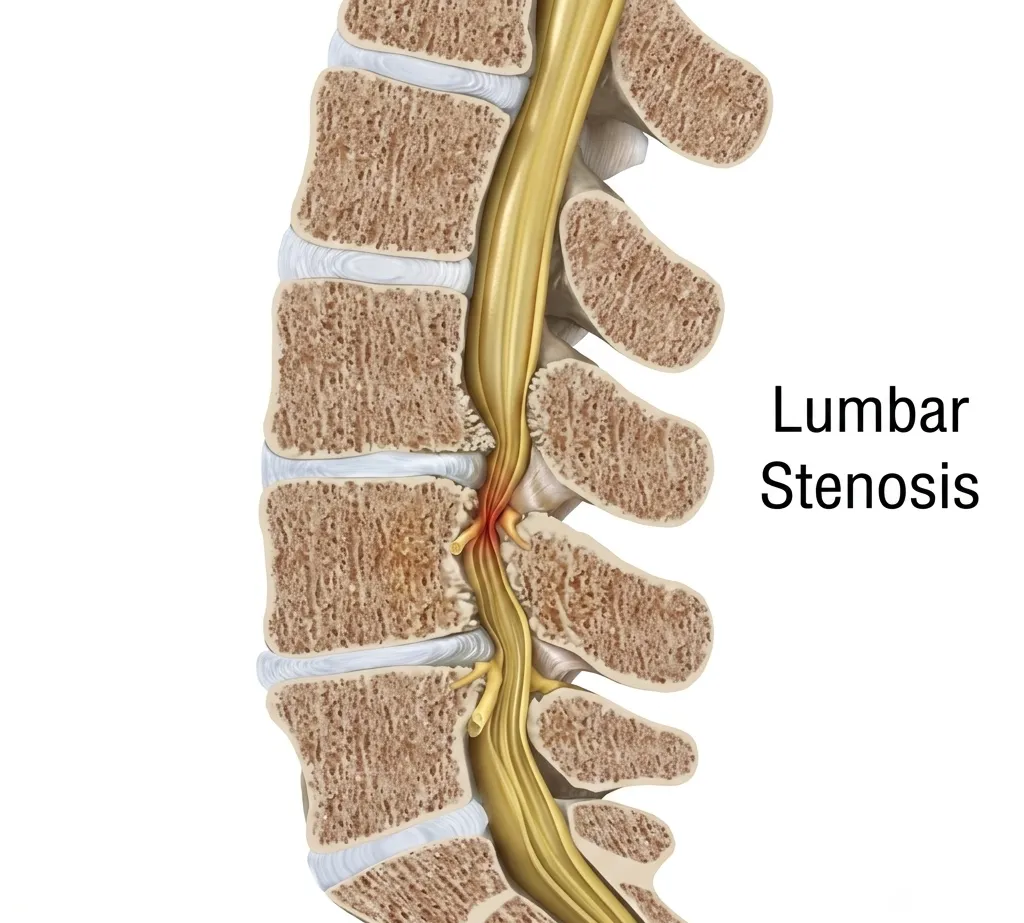
Lower back pain is a common complaint, especially among adults over the age of 50. While many cases improve with rest or simple exercises, persistent pain that travels into the legs or makes walking difficult may indicate Lumbar Canal Stenosis. This condition develops when the space inside the lower spinal canal becomes narrower, putting pressure on the nerves that travel through it.
Many people dismiss the early signs as normal ageing or muscle strain, delaying proper diagnosis. Understanding the symptoms, causes, and available treatment options can help you seek timely care and maintain an active lifestyle.
What Is Lumbar Canal Stenosis?
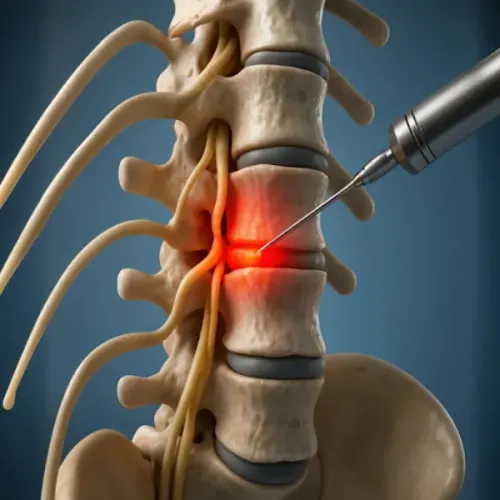
The lumbar spine forms the lower portion of the back and supports much of the body's weight. It also protects important nerves responsible for movement and sensation in the legs. Lumbar Canal Stenosis occurs when the spinal canal narrows due to structural changes, reducing the space available for these nerves.
The narrowing usually develops gradually and is most commonly associated with age-related degeneration. However, younger individuals may also experience the condition due to congenital spinal narrowing, previous injuries, or certain spinal disorders.
Common Symptoms to Watch For
Symptoms often begin slowly and become more noticeable over time. While every individual experiences the condition differently, some signs are commonly reported.
These include:
- Persistent lower back pain
- Pain that radiates into one or both legs
- Tingling or numbness in the feet or legs
- Weakness while walking
- Difficulty standing for long periods
- Cramping in the calves after walking
- Relief when sitting or bending slightly forward
A characteristic feature of Lumbar Canal Stenosis is that walking uphill or leaning on a shopping trolley may feel easier than walking on level ground because bending forward temporarily reduces pressure on the affected nerves.
What Causes Lumbar Canal Stenosis?
Several conditions can contribute to narrowing of the spinal canal. In many cases, more than one factor is involved.
Common causes include:
- Age-related wear and tear of the spine
- Osteoarthritis leading to bone spur formation
- Thickening of spinal ligaments
- Bulging or herniated discs
- Degenerative spondylolisthesis
- Previous spinal injuries
- Congenital narrowing of the spinal canal
Although aging is the most frequent cause, lifestyle factors such as obesity and physically demanding work may increase stress on the spine over time.
How Is the Condition Diagnosed?
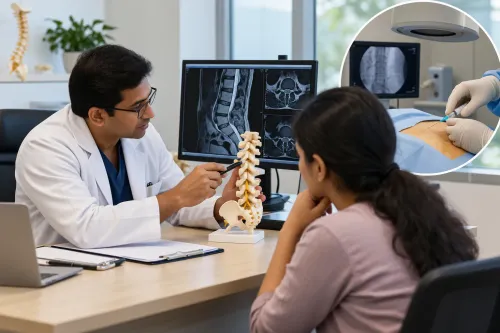
A proper diagnosis starts with understanding your symptoms and medical history. During a physical examination, the doctor evaluates posture, muscle strength, reflexes, balance, and sensation in the lower limbs.
To confirm the diagnosis, imaging studies may be recommended, including:
- X-rays to assess spinal alignment
- MRI scans to evaluate nerves, discs, and soft tissues
- CT scans in selected situations
- Nerve conduction studies if nerve function needs detailed assessment
Accurate diagnosis helps determine the severity of nerve compression and guides the most appropriate treatment plan.
Treatment Options
Many individuals with Lumbar Canal Stenosis improve without surgery. Treatment depends on the severity of symptoms and the impact on daily activities.
Non-surgical management may include:
- Physiotherapy to improve flexibility and strengthen supporting muscles
- Activity modification to reduce strain on the spine
- Medications to control pain and inflammation
- Guided exercise programmes
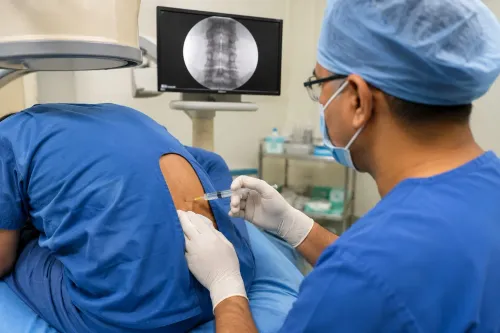
- Image-guided pain management procedures for selected patients
Maintaining a healthy weight, practising good posture, and remaining physically active within comfortable limits can also support long-term spinal health.
When Should Surgery Be Considered?
Surgery is generally reserved for patients whose symptoms continue despite conservative treatment or who develop significant neurological problems.
Medical evaluation becomes especially important if you experience:
- Progressive weakness in the legs
- Difficulty walking even short distances
- Loss of bladder or bowel control
- Severe pain affecting everyday activities
- Persistent numbness that continues to worsen
The decision to undergo surgery depends on clinical findings, imaging results, overall health, and individual treatment goals.
Living Well with Lumbar Canal Stenosis
Receiving a diagnosis of Lumbar Canal Stenosis does not necessarily mean losing independence or mobility. Many people successfully manage their symptoms through a combination of medical care, physiotherapy, regular exercise, and lifestyle adjustments. Early intervention often helps reduce discomfort and supports better long-term outcomes.
For people living in Kalyan, persistent lower back pain that spreads to the legs or limits walking should not be ignored. Spine and Pain Management Centre evaluates spinal conditions using a comprehensive, patient-focused approach to identify the underlying cause and recommend treatment options based on individual needs. Patients looking for reliable information about spine-related disorders can also explore educational resources available through spineandpainmanagementcentre.com.
Keywords